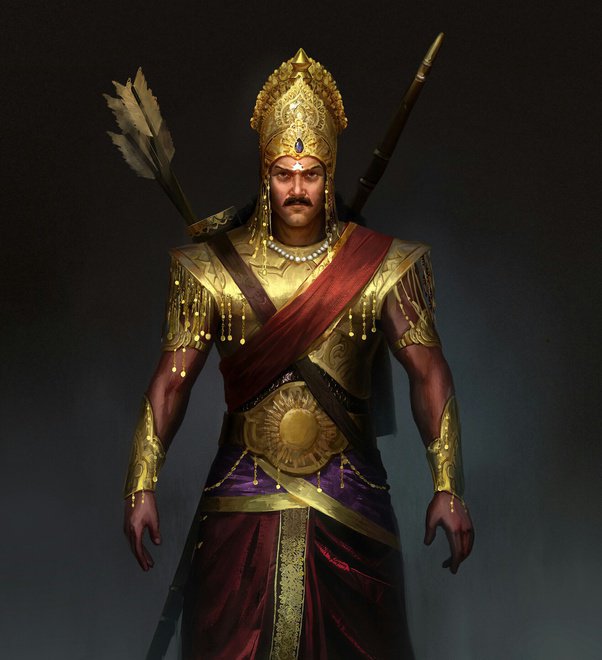
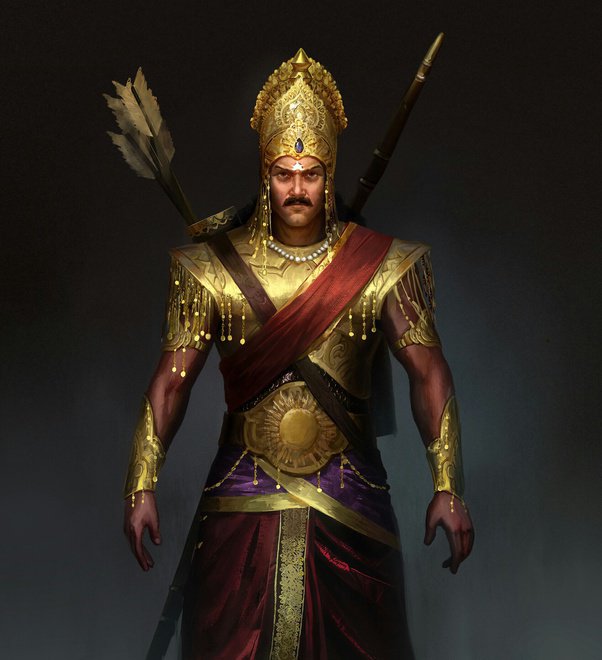
वाल्मिकी रामायणात रावणाचा उल्लेख अगदी बालकांडापासूनच असला तरीही रावणाचं पहिलं वर्णन येतं ते थेट अरण्यकांडात स्वतः रावणाच्याच तोंडून. सर्ग ३१ मध्ये अकम्पन नावाचा राक्षस लंकेला जातो आणि रामाने जनस्थानातून राक्षसांचे उच्चाटन केल्याची बित्तंबातमी तो रावणाला सांगतो. तेव्हा क्रोधाने फुत्कारणारा रावण श्लोक क्र. ५ ते ७ येथे त्याला म्हणतो, “माझा अपराध करून इंद्र, यम, कुबेर आणि विष्णूही सुखाने नाही जगू शकणार. मी काळाचाही काळ आहे. मी आगीलाही जाळून टाकू शकतो. आणि मृत्यूलाही मृत्यूमुखी पाडू शकतो मी. मी जर चिडलो तर वाऱ्यालाही रोखू शकतो आणि सूर्यालाही भस्म करू शकतो”. रावण हे जे काही बोलतो यात आलंकारिकता आहे, परंतु अतिशयोक्ती अजिबातच नाही. त्याने खरोखर तिन्ही लोक पादाक्रांत केलेले आहेत, देवादिकांनाही हरवलेलं आहे आणि एक साक्षात शंभूमहादेव व कार्तवीर्य सहस्रार्जुन सोडले तर कुणीच रावणाचं काहीच वाकडं करू शकलेलं नाहीये.
त्यानंतर पुढच्याच सर्गात रावण आपल्याला दिसतो ते शूर्पणखेच्या नजरेतून. लक्ष्मणाकडून प्रताडित झालेली शूर्पणखा लंकेला जाते, तेव्हा तिला रावण कसा दिसतो? अरण्यकांड, सर्ग क्र. ३२, श्लोक क्र. ४ ते २३ इथे वाल्मिकी लिहितात –
“विमानाच्या अग्रभागी बसलेला, तेजाने झळझळणारा रावण तिने पाहिला. इंद्राच्या सभोवती जसे मरुद्गण असतात तसेच त्याच्या आसपास त्याचे सचिव होते. त्याचं स्वर्णसिंहासन सूर्यासम चमकत होतं. आणि ज्याप्रमाणे सोन्याच्या वीटांनी बनलेल्या यज्ञवेदीमध्ये स्थापित अग्नि तुपाच्या आहूतीने अधिकच प्रज्वलित होतो, तसा तो रावण दिसत होता. समरभूमीवर तोंड वासलेल्या यमराजासारखा तो रावण देवता, गंधर्व, भूत, ऋषी यांनाही अजेय होता. देवासुर संग्रामाच्या वेळी त्याच्या शरीरावर वज्र आणि अशनीने ज्या जखमा झाल्या होत्या, त्याच्या छातीवर ऐरावताने जे सुळे खुपसले होते त्या सगळ्यांचे व्रण तो मिरवत होता. त्याला वीस भुजा, दहा तोंडे होती. त्याची छत्रचामरादी आभूषणे प्रेक्षणीय होती. त्याचे वक्षस्थळ विशाल होते. आणि तो सगळ्याच राजलक्षणांनी संपन्न होता. त्याचे शरीर त्याने धारण केलेल्या वैदूर्यासारखेच होते. त्याने तप्तसुवर्णाची आभूषणे परिधान केली होती. त्याचे बाहू सुंदर, दात शुभ्र, चेहरा मोठा व शरीर पहाडासारखे होते. देवांशी युद्ध करताना विष्णुने त्याच्यावर शेकडो वेळा चक्राचा प्रहार केला होता. इतर युद्धांतही अनेक शस्त्रांचे वार त्याच्या शरीराने झेलले होते. आणि अशा देवांच्या शस्त्रांनाही लीलया पचवलेल्या शरीराने तो शांत समुद्रालाही अशांत करून टाकायचा. तो अतिशय चपळ होता. तो पर्वतशिखरे उपटून फेकून द्यायचा. देवांना चिरडून टाकायचा. तो धर्माचा समूळ नाश करायचा आणि परस्त्रियांचं सत्व नासवायचा. तो सर्व प्रकारच्या दिव्यास्त्रांमध्ये पारंगत आणि यज्ञांमध्ये विघ्न उत्पन्न करणारा होता. एकदा तर त्याने भोगवतीला जाऊन नागराज वासुकीला हरवून तक्षकाच्या प्रिय पत्नीचे अपहरण केले होते. कैलासावर जाऊन त्याने कुबेराचे विमान हुसकावले होते. त्याने रागात येऊन कुबेराचे चैत्ररथ वन, नलिनी नावाची पुष्करणी आणि इंद्राचे नंदनवन व इतर उद्यानांची नासधूस केली होती. पर्वतासारखा तो चंद्र आणि सूर्याला आपल्या हातांनी रोखू शकायचा. पूर्वी त्याने घोर वनात दहा सहस्र वर्षे तपश्चर्या करून ब्रह्मदेवाला आपल्या मस्तकांचा बळी अर्पिला होता. आणि त्यामुळेच त्याला देवता, दानव, गंधर्व, पिशाच्च, पक्षी व सापांपासून अभय प्राप्त झालं होतं. एक मनुष्यप्राणी वगळता त्याला कुणाकडूनही मृत्यू येऊच शकत नव्हता. ब्राह्मणांद्वारा केलेल्या मंत्रोच्चारांनी यज्ञांतून निघणारा सोम तो महाबली नासवून टाकायचा. यज्ञातून मिळणारे फळ नासवणारा तो ब्रह्महत्यादि क्रूरकर्मे करायचा. तो कर्कश, निर्दय आणि सदैव प्रजेचं अहित करण्यातच गुंतलेला असायचा. समस्त प्राणिमात्रांना भयकारी असा तो क्रूर व महाबलशाली भाऊ शूर्पणखेने पाहिला. तो दिव्य वस्त्राभरणांनी विभूषित आणि दिव्य माळांनी सुशोभित होता. तो राक्षसांचा राजा, महाभाग पौलस्त्यकुलनंदन त्या आसनावर प्रलयकाळी सगळ्यांचा संहार करणाऱ्या काळासारखाच भासत होता”.
हे मूळ रामायणातील रावणाचे फर्स्ट इम्प्रेशन आहे! यात त्याची बुद्धी, बल, पराक्रम, क्रौर्य सारे सारे काही एकाचवेळी अत्यंत समर्थपणे मांडले आहे. मी वाल्मिकी रामायणावर तीन दिवस व्याख्याने देतो (संपर्क) तेव्हा पहिला सबंध दिवस जवळजवळ दोन तास रावणावर बोलत असतो, एवढा महाप्रचंड पसारा आहे रावणाच्या बल, बुद्धी आणि पराक्रमाचा. तो शास्त्रांचा ज्ञाता आहे, अस्त्रांचा धर्ता आहे. तो वेदशास्त्रसंपन्न आहे, तो चक्रवर्ती साम्राज्याचा कर्ता आहे. एका सम्राटाकडे असायलाच हवे ते सारे गुण त्याच्यात एकवटले आहेत आणि इतके असूनही तो केवळ त्याच्या दुर्गुणांमुळे कसा रसातळाला गेला ते स्खलन वाल्मिकींनी अतिशय प्रांजळपणाने मांडले आहे.
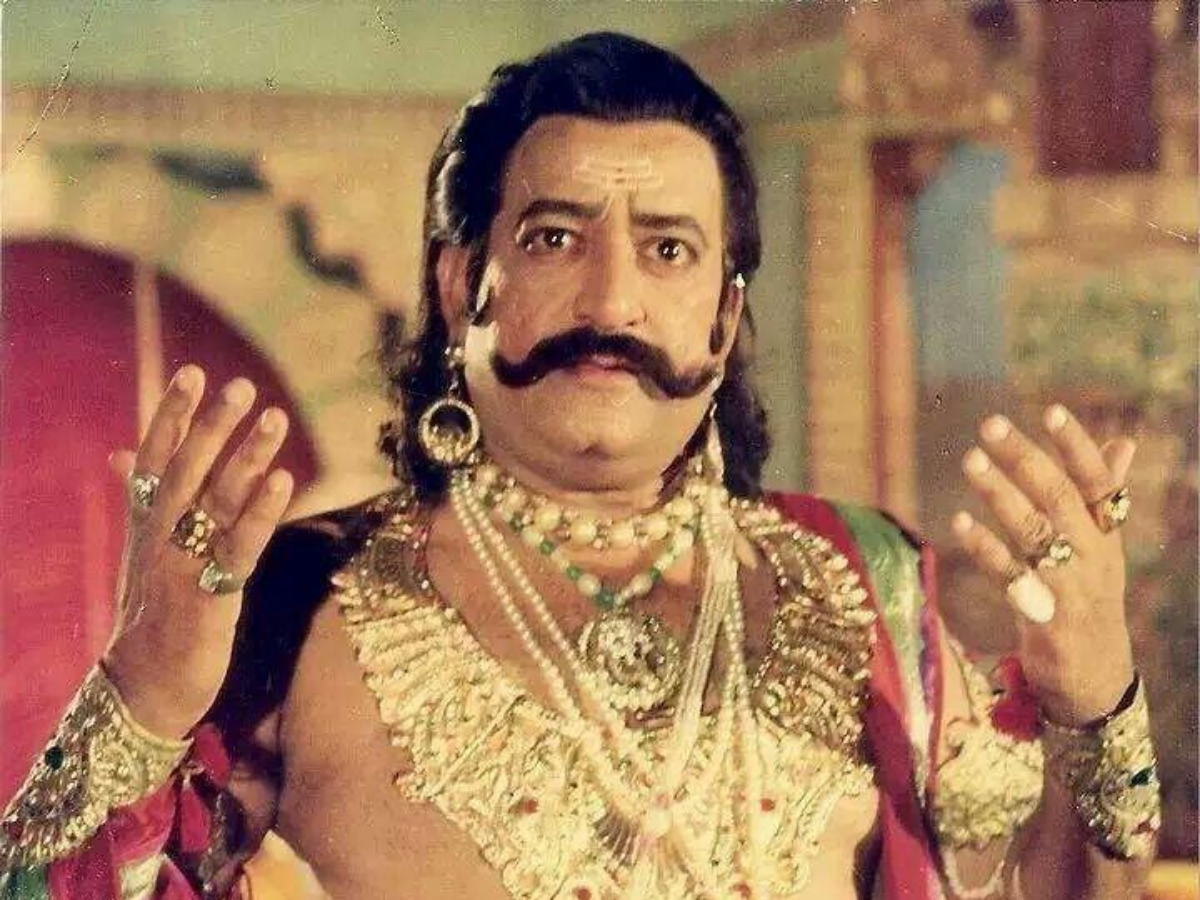
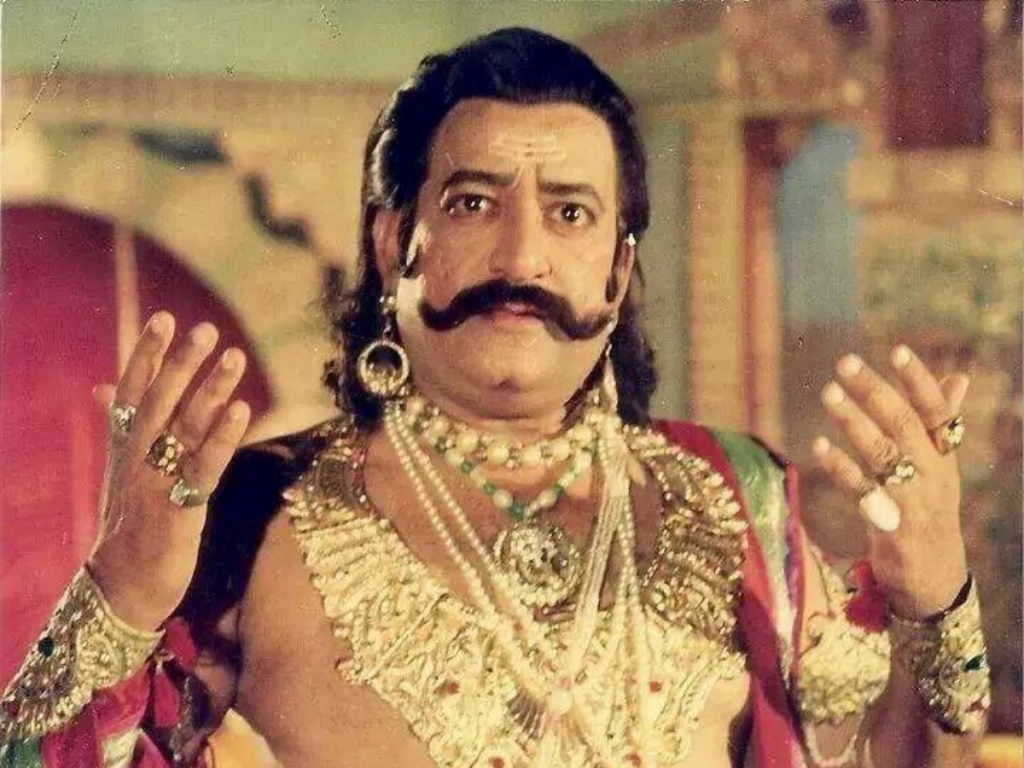
असा गुणावगुणांचा खजिना असलेला रावण कलाकृतींतून साकारणे म्हणजे सोपे काम नव्हे. आधुनिक काळात विचार केला तर फक्त आणि फक्त रामानंद सागरांच्या ‘रामायणा’त (१९८७-८८) अरविंद त्रिवेदींनी साकारलेला रावणच या सगळ्या कसोटींवर खरा उतरतो. बाकी बॉलिवूडने कालपरवा रिलिज झालेल्या टिझरमध्ये रावणाच्या डोळ्यांत काजळ, केसांचा मॉडर्न कट वगैरे दाखवून, त्याला व्हायकिंग्ससारखे कपडे घालून जॉन स्नोप्रमाणे ड्रॅगनवर (की वटवाघळावर?) बसलेले दाखवून विविधांगी पटलांनी समृद्ध अशा या बहुढंगी व्यक्तिमत्त्वाचा पार विनोदी विदूषक करून सोडलाय. ज्यांची जेवढी झेप तेवढीच त्यांची मांडणी! आणि ज्यांचा जेवढा आवाका तेवढीच त्यांना रामकथा कळते. बाकी श्रीरामचन्द्रार्पणमस्तु!!
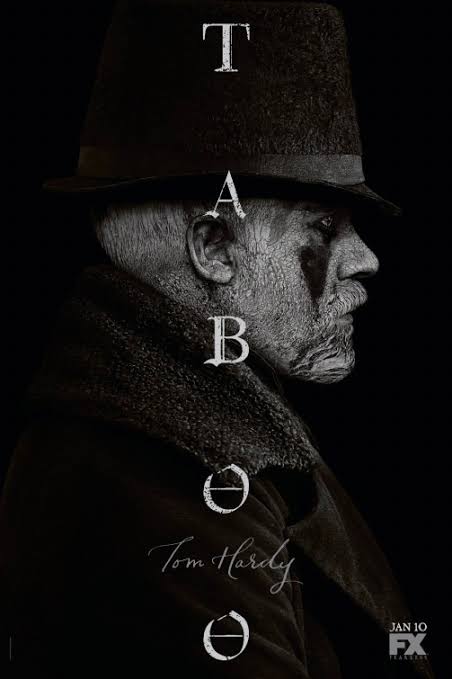
१८१४ साल आहे. इंग्लंडचं अमेरीकेशी तुंबळ युद्ध सुरू आहे. ईस्ट इंडिया कंपनी ही जणू प्रतिपरमेश्वरच असावी इतकी ताकदवान आहे. इंग्लंडचा राजा तिसरा जॉर्ज हा शब्दशः वेडा आहे आणि सारा कारभार हा त्याचा अहंमन्य, दारुडा पोरगा चौथा जॉर्ज (मार्क गॅटिस) सांभाळतो आहे. अशा भयाण वातावरणात एक छोटीशी घटना घडते. डेलनी शिपिंग कंपनीचा मालक होरेस डेलनीचा (एडवर्ड फॉक्स) मृत्यू होतो. आणि साऱ्या इंग्लंडचेच नव्हे तर अमेरीकेचेही राजकारण ढवळून निघते. का? अशी कोणती मालमत्ता होती होरेस डेलनीकडे की जिच्यासाठी सगळ्यांनीच झुरावं?
त्याहून धक्कादायक गोष्ट घडते ती वेगळीच. डेलनीच्या अंत्यसंस्काराच्या वेळी त्याचा आफ्रिकेत बेपत्ता झालेला मुलगा जेम्स (टॉम हार्डी) अचानक अवतरतो. होरेसच्या मालमत्तेचा तो एकमेव वारसदार आहे. त्याच्या आगमनाने त्याच्या बहिणीचा नवरा थॉर्न गियरी (जेफरसन हॉल) जो इतके दिवस मालमत्तेच्या वाटाघाटींमध्ये मध्यवर्ती होता, तो एकदमच निष्प्रभ होऊन जातो. जेम्सच्या येण्यामुळे राजकारणाची सगळीच समीकरणं बदलतात आणि तो अचानकपणे इंग्लंडचं राजघराणं, ईस्ट इंडिया कंपनी आणि निर्दय अमेरीकेसाठी पायात सलणारा काटा होऊन बसतो.
‘टबू’ या छोट्याशा मालिकेची ही गोष्ट. आणि विशेष म्हणजे या कथेमध्ये कुणीच, अगदी एकही व्यक्ती संत नाही. सगळेच स्वार्थी, नीच, आणि कुकर्मांनी बरबटलेले आहेत. इंग्लंडचं राजघराणं माजलेलं आहे, ईस्ट इंडिया कंपनी त्याहून दुप्पट माजलेली आहे आणि अमेरीका आत्यंतिक निर्दय आहे. असे तीन हत्ती मिळून ज्याची शिकार करायची ठरवतात तो जेम्स डेलनी सिंह आहेच, पण तोही सज्जन नाही. हे तिघं मिळून काय पापी असतील त्यांच्या दहापट तो पापी आहे. सत्य, सुंदर, पवित्र असं त्याच्याकडे काहीच नाही. आहे ते एक स्वप्न आणि मनाच्या अडगळीत कुठेतरी हरवलेली मानवता. तो या तिघांना नुसतं अंगावरच घेत नाही तर ज्या बेक्कार पद्धतीने झुंजवतो, त्याला तोड नाही. तोड नाही म्हणजे शब्दशः तोड नाही. इतकं सूक्ष्म कंगोऱ्यांचं राजकारण क्वचितच एखाद्या मालिकेत पाहायला मिळतं. सगळ्यांत कमालीची गोष्ट ही की, एक सिंह आणि तीन हत्तींच्या महासंग्रामाची ही देदिप्यमान गाथा निर्मात्यांनी मंद आच ठेवूनही केवळ आठच भागांमध्ये सुफळ, संपूर्ण सांगून दाखवलीये. ‘टबू’ कुणी निर्मिलीये माहितीये? ज्या स्टीव्हन नाईटने ‘पीकी ब्लाईंडर्स’ लिहिली व बनवलीये तो या मालिकेचा लेखक तर आहेच शिवाय निर्मिकांपैकी एक आहे! अन्य दोघे निर्मिक आहेत स्वतः टॉम हार्डी आणि त्याचे वडील चीप्स हार्डी. आणि सांगतो, रीड्ली स्कॉट हा या मालिकेच्या निर्मात्यांपैकी एक आहे. आता लावा दर्जाचा अंदाज!!
टॉम हार्डी काय ताकदीचा कलावंत आहे, हे मी नव्याने सांगण्याची गरज नाही. ही सबंध मालिका म्हणजे त्याच्या एकट्याचा अश्वमेध, एकट्याचा दिग्विजय म्हटला तरी चालेल इतका तो जबरदस्त खेळतो. वर म्हटल्याप्रमाणे जेम्स हा खलनायकांपेक्षा दहापट जास्त पापी आहे. आपण त्याला कचकचीत शिव्या घालतो आणि तरीही तोच जिंकावा असं मनापासून वाटत राहातं आपल्याला. ही नुसती लेखकाची ताकद नाही तर टॉमच्या अद्वितीय अभिनयाचं हे यश आहे. तो जेव्हा जेव्हा I have a use for you हे वाक्य उच्चारतो, मार्लन ब्रँडोने साकारलेल्या व्हिटो कॉर्लिऑनीचे एक वेगळेच, ब्रिटीश रूप दिसते! टॉमइतका स्क्रिनटाईम नसूनही तोडीस तोड काम केलंय ते जोनाथन प्राईसने. त्याने साकारलेला सर स्टुअर्ट स्ट्रेंज हा ब्रिटीश अरीस्टोक्रसीचं मूर्तीमंत रूप भासतो. आणि त्याच्याहूनही कमी स्क्रिनटाईम असून मार्क गॅटिसने आपली भूमिका खणखणीत वाजवलीये. अक्षरशः किळस वाटायला लावतो तो प्रिन्स जॉर्जची. ऊना चॅप्लिन मुळातच भारी आहे. पण तिच्यापेक्षा जास्त लक्षात राहाते ती जेसी बक्लीने साकारलेली लोर्ना. काय सुंदर विणलीये तिची भूमिका!
एक भारतीय म्हणून इंग्लंडने आपल्यावर पारतंत्र्याच्या काळात केलेल्या अत्याचारांबद्दल आपल्याला मनस्वी चीड असते. स्वा. सावरकर वगैरे क्रांतिवीरांनी अंदमानसारख्या नरकात काय यातना भोगल्या असतील याची आपण वर्णने वाचलेली, ऐकलेली असतात. परंतु इंग्लंडच्या अमानुषतेची या मालिकेत दृश्य झलक जेव्हा दिसते तेव्हा शरीरच नव्हे तर मनही शहारून जातं. आणि अशा चहुबाजूंनी अमानुषतेने वेढलेल्या जगात जेव्हा एक कुणीतरी त्या नीचतम इंग्लंडला, त्या क्रूरतम ईस्ट इंडिया कंपनीला आणि त्या स्वार्थपरायण अमेरीकेला त्यांच्याच खेळात बोटावर नाचवतं, तेव्हा पाहायला मजा येणं साहजिकच आहे. पण ही मालिका यातील कोणतीही गोष्ट संयततेच्या मर्यादेबाहेर जाऊ देत नाही. किंबहूना मालिकेतील भडकपणात संयतता आहे, बटबटीत गोष्टींमध्ये तरलता आहे, म्हणूनच त्या कित्येक पट अधिक अंगावर येतात. मालिकेचं छायाचित्रण तर अप्रतिम आहेच, परंतु संपादनाने मालिकेचा वेग असा काही मस्त राखलाय की ज्याचं नाव ते!
पटकथालेखनात म्हणतात की, तुमच्या नायकाला सहजासहजी लक्ष्यापर्यंत पोहोचू देऊ नका, त्याच्यासमोर अडचणींचे डोंगर उभे करा, तरच तुमची कथा मनोरंजक होऊ शकेल. ‘टबू’ हा नियम पाळता-पाळता कित्येकदा तोडून, मोडून, फेकून देते आणि तरीही मालिकेची रंजकता कणभरानेही कमी होत नाही. मी सहज म्हणून एखादाच भाग पाहावा असा विचार करून बसलो होतो, तो कधी या खोल डोहात आकंठ बुडालो माझं मलाच समजलं नाही. ‘टबू’ची तुलनाच करायची झाली तर ती नैसर्गिकपणे केवळ ‘पीकी ब्लाईंडर्स’शीच होऊ शकते. मात्र ‘टबू’चा आवाका आणि विस्तार कमी असल्यामुळे असेल कदाचित, पण मला व्यक्तिश: ही मालिका ‘पीकी ब्लाईंडर्स’पेक्षा अनेक पटींनी जास्त आवडलीये. तरीही मला तिची तुलना आणखी एका मालिकेशी करायचा मोह टाळता येत नाहीये, ती म्हणजे ‘बॉडीगार्ड‘! कारण दोन्हीही मालिकांची पहिली पर्वं विलक्षण उत्तुंग झाली आहेत आणि तरीही दुसरे पर्व येणार येणार म्हणूनही त्यांचा अद्याप तरी काहीच पत्ता नाहीये. अर्थात ‘बॉडीगार्ड’ ही कर्तव्यपरायण सैनिकाची गोष्ट असली तरी ‘टबू’ मात्र शब्दशः असंतांची गोष्ट आहे आणि म्हणूनच अधिक मादकदेखील आहे. नुसती मादकच नाही तर चटक लावणारी, जहरी मादक!
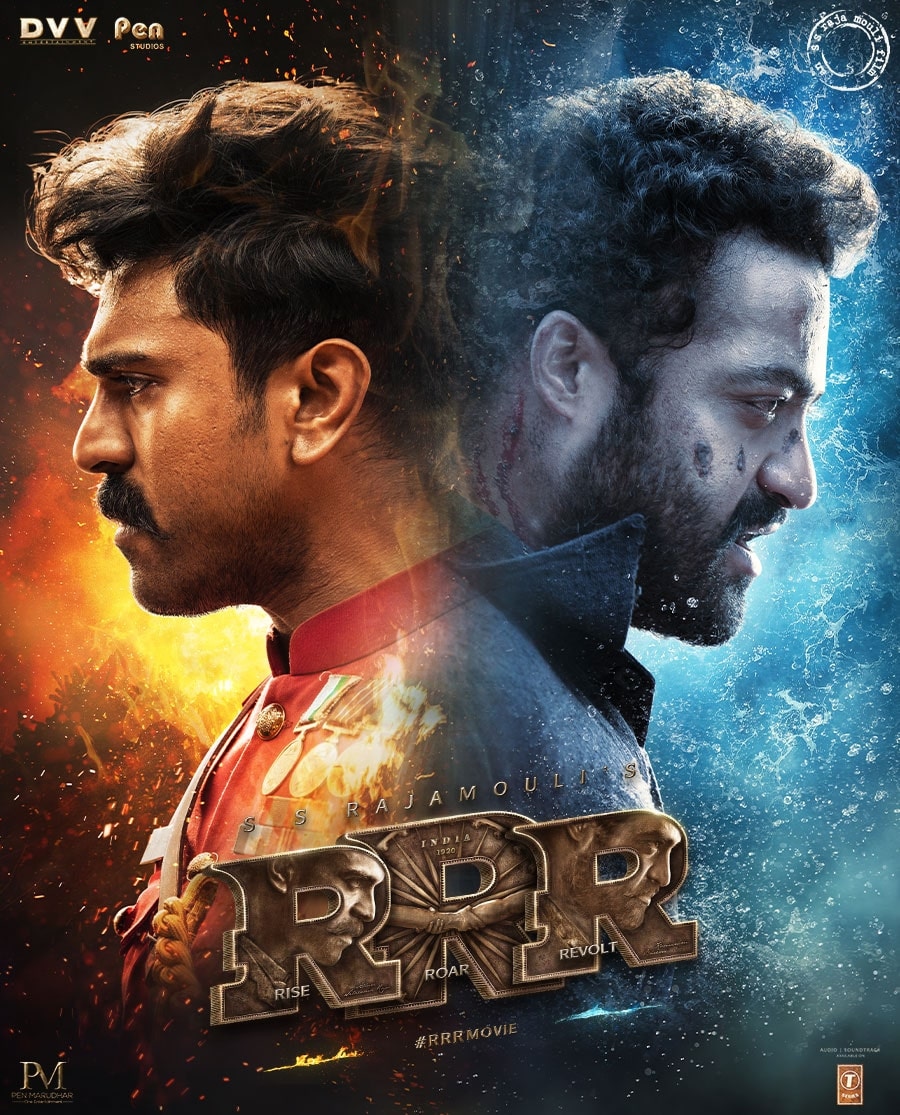
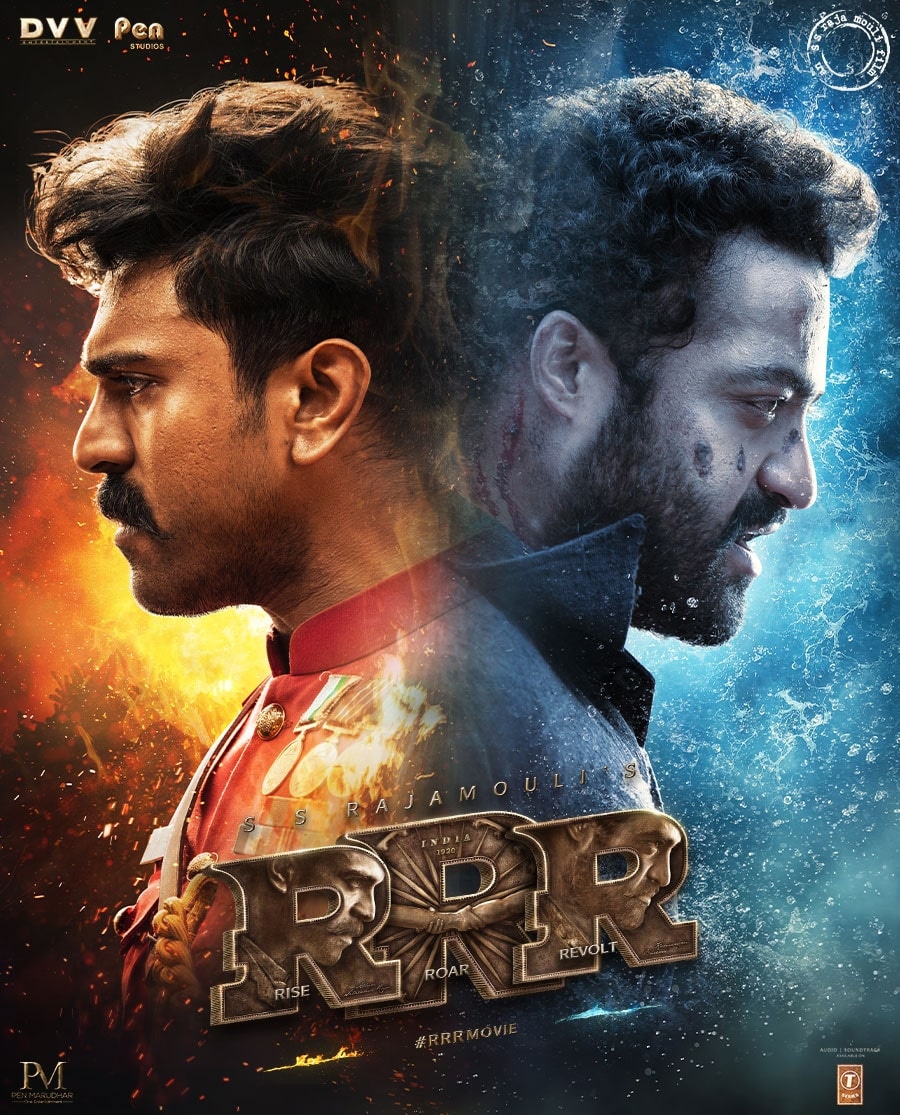
एक आहे जो वरिष्ठ अधिकाऱ्याच्या केवळ एका आज्ञेसाठी सहस्रोंच्या प्रक्षुब्ध जमावात फक्त एक लाठी घेऊन एकटाच घुसतो. जबर जखमी होतो पण आरोपीला पकडून आणतोच आणतो. त्याचं नाव आहे अल्लुरी रामराजू! दुसरा आहे तो जो पूर्ण वाढ झालेल्या जंगली वाघाला जाऊन बिनधास्त भिडतो. वाघ त्याच्या चेहऱ्यावर डरकाळी फोडतो तर हा पठ्ठ्या त्या वाघालाच घाम फोडणारी शतपट डरकाळी फोडतो. त्याचं नाव आहे कोमारम भीम! राम अग्नि आहे तर भीम जल. जलतत्त्व प्राण आणि उदानवायूत विभागले गेले तर अग्निशी अतूट मैत्री करते आणि तीच तत्त्वे जर एकमेकांच्या विरोधात उभी ठाकली तर देवासुरांनाही लाजवेल असा संग्राम होतो! याच अतूट मैत्रीची आणि दुर्लभ शत्रुत्त्वाची कथा म्हणजे एस. एस. राजमौलीचा नवाकोरा चित्रपट, ‘आरआरआर’ अर्थात ‘रौद्रं रणं रुधिरम्’!
एखादी चौकट उभी करण्यासाठी अवकाश आणि काळाला छेद देणारी असीम कल्पनाशक्ती दिग्दर्शकाकडे असणे आवश्यक असते. पण त्याहूनही जास्त आवश्यक असते ती अजून एक गोष्ट, अमर्याद आत्मविश्वास. कल्पनाशक्ती आणि आत्मविश्वास राजमौलीकडे जितका आहे, तितका क्वचितच कुणाकडे असेल. पहिल्या दृश्याच्या पहिल्या चौकटीपासून प्रेक्षकाचे डोळे पडद्याला घट्ट जखडून टाकण्याची भीमरूप शक्ती त्याच्याकडे आहे. या एकाच मुद्यावर भारतातीलच नव्हे तर जगभरच्या बहुतांशी दिग्दर्शकांनी राजमौलीचे पाय धुवून चरणामृत प्यायले पाहिजे, तेव्हा कुठे त्याच्या तेजाचा एखादाच अंश त्यांच्यात उतरू शकेल. आपल्या बुद्धीला पटत असतं की समोर जे दिसतंय ते प्रत्यक्ष जगात कधीच घडू शकत नाही, पण आपलं मनच राजमौलीला फितूर होतं आणि बुद्धीला पोत्यात घालून एखाद्या हिंस्र मांजराला दूर सोडून यावं तसं आपण हसत हसत सोडून येतो. आणि हे एकदा घडत नाही तर प्रत्येक चौकटीत घडतं, तीन तास घडतं आणि चित्रपट पाहाणाऱ्या एक, दोन नव्हे तर कोट्यवधी रसिकांसोबत घडतं. म्हणजे त्या दिग्दर्शकभालतिलकाची ताकद केवढी असेल, कल्पना करा फक्त. त्याचे चित्रपट, त्यांच्या चौकटी, त्यांचं प्रत्येक दृश्य ‘चांदोबा’मधील एखादी कथा सादर व्हावी आणि रंगीबेरंगी चित्रे उभारून यावीत तशी आपल्यासमोर उलगडत जातात आणि आपण लहान मूल होऊन त्या विश्वात हरखून जातो. प्रेक्षकांना रडवणं खूप सोपं असतं हो, आणि या देशाच्या श्रद्धेला व येथील बहुसंख्यकांच्या सहनशील धर्माला शिव्या घालून विचारवंत म्हणून मिरवणं तर त्याहूनही सोपं असतं. पण दुनियादारीने गांजलेल्या, पिचलेल्या प्रेक्षकाचं निरागस लहान मूल करून टाकणं आणि त्याला तीन तास अवर्णनीय अनुभव देत गुंतवून टाकणं नुसतं अवघडच नाही तर अशक्यसुद्धा आहे. राजमौली हा चमत्कार लीलया करतो, एकदा नाही तर सहस्रावधी वेळा करतो!
‘आरआरआर’चं दुसरं सगळ्यांत मोठं वैशिष्ट्य म्हणजे तो शब्दबंबाळ नाही. उलट तो शक्य तितका वेळ चित्रभाषेत बोलत राहातो. आणि जेव्हा चित्रभाषेला अजूनच शतपटींनी उठावदार करण्याची गरज असते, तेव्हा आणि तेव्हाच तो संवादांचा आश्रय घेतो. राजमौलीच्या आजवरच्या समस्त चित्रपटमालिकेत शांततेचा सर्वाधिक परिणामकारक वापर केलेला चित्रपट जर कोणता असेल, तर तो हा आहे! पात्रं तर मौनातून व्यक्त होतातच, परंतु कीरवाणीचं तांडव घालणारं अनुपम पार्श्वसंगीत पडद्यावर अनेक वेळा पूर्णपणे गप्प होतं आणि त्या त्या दृश्यांचा परिणाम न भूतो न भविष्यति वाढतो! राजमौलीने किती सूक्ष्म चिंतनातून दृश्यं रचली असतील, फक्त विचार करून पाहा. कीरवाणीचे पार्श्वसंगीत तर मी गेल्या कित्येक वर्षांत [कदाचित ‘बाहूबली – द कन्क्लुजन’नंतर (२०१७) पहिल्यांदाच!] ऐकलेले सर्वश्रेष्ठ रहमानेतर पार्श्वसंगीत आहे. हिंदी, विशेषतः मराठी चित्रपटसृष्टीने हा मुद्दा समजून घ्यायला पाहिजे की, नुसते संगीताचे तुकडे उत्तम असून चालत नाही तर ते पार्श्वसंगीत तांत्रिकदृष्ट्या निर्दोषदेखील असले पाहिजे. कीरवाणीचे संगीत आणि त्यासोबतचे ध्वनीसंयोजन शब्दशः निर्दोष आहेत. एकच गोष्ट केवळ विरस करते ती म्हणजे गाणी उत्तमच असली तरी त्यांच्यावर ‘बाहूबली’चा नको वाटण्याइतपत प्रभाव आहे. पण गाण्यांसाठीसुद्धा राजमौलीने अशा सुरेख जागा काढल्या आहेत की काय महिमा वर्णू! वर म्हणालो होतो ना की, चित्रभाषेच्या पुढचे संवाद आहेत, तसंच जिथे संवादांच्या पुढे जाण्याची गरज पडते तिथेच फक्त राजमौलीने गाणी वापरली आहेत.
के. व्ही. विजयेंद्र प्रसादांची कथा मुळातच एखाद्या रमणीसारखी देखणी आहे. पण जेव्हा त्या कथेला राजमौली पटकथेचा श्रृंगार चढवतो तेव्हा तर तिची अशी काही त्रिभुवनसुंदरी होऊन जाते की, कुणीही सहज प्रेमात पडावं! दोन महानायक, दोघांचाही अफाट चाहतावर्ग. पण असं एकदाही म्हणायला जागा नाही की याला कमी वाव दिलाय आणि त्याला जास्त. उलट दोन्हीही मुख्य पात्रे सतत एकमेकांना आणि पर्यायाने चित्रपटालाही उत्कर्षाकडे खेचतच राहातात! इतकी संतुलित पटकथा मी गेल्या अनेक वर्षांत मुख्य प्रवाहातील कोणत्याच चित्रपटात पाहिली नव्हती. दोन्हीही मुख्य पात्रांची सुसंगती (केमिस्ट्री) ही नुसती सुंदरच नाही तर आजच्या काळात दुर्लभदेखील आहे. एवढी निर्व्याज मैत्री पडद्यावर साकारायला माणूसही तसाच सच्चा असावा लागतो. राजमौलीच्या सच्चेपणाला तारक आणि रामचरण दोघांनीही अजोड साथ दिली आहे. पडद्यावर पात्रांमध्ये सुसंगती दिसण्यासाठी मुळात ती कलाकारांमध्ये असायला हवी, हे दोघेही त्या सुसंगतीचे अप्रतिम उदाहरण म्हणून समोर येतात. विशेष म्हणजे पटकथेत सर्वत्र सांकेतिकतेचा मुक्तहस्ते वापर केलाय. तो इतका सोपा आहे की, सामान्यातिसामान्य प्रेक्षकालाही चटकन कळावा पण इतका संयत आहे की तो कुठेच भडक, बटबटीतसुद्धा न वाटावा. हाच तो पटकथेतील समतोल! चित्रपटात अनेक दृश्ये, संवाद असे आहेत की त्यांचा संदर्भ इतर वेगवेगळ्या प्रसंगांत लागत जातो. पण तो संदर्भ किती जरी बारीक असला तरीही नंतरच्या त्या त्या दृश्यात तो बरोब्बर तीव्रतेने आठवतोच आठवतो. राजमौली चित्रभाषाकोविद असण्याचे याहून मोठे कोणते उदाहरण असेल!
मला अभिमान आणि काहीसा खेददेखील वाटत राहातो की, चित्रपट माध्यमाचा अभ्यास करत असल्यामुळे बरेचदा एखाद्या चित्रपटाच्या कथेत येणारी वळणं मला अचूक समजतात. परंतु इथे मी प्रामाणिकपणे मान्य करतो की, मध्यंतराच्या जरासं आधी कथेत जो एक अनपेक्षित धक्का बसतो तो मला बापजन्मीदेखील ओळखता नसता आला. इतकी सोपी युक्ती वापरून राजमौलीने तो आधी लपवलाय की त्यामुळेच तो ओळखायला अशक्य झालाय. या, या अद्वितीय सामर्थ्याला मी मान लववून प्रणाम करतो! त्यानंतर थोड्याच वेळात एका प्रसंगामध्ये भीमाच्या पाठिशी जलधारा नाचत असतात तर रामच्या पाठिशी अग्नितांडव सुरू असते, तो राजमौलीच्या दिग्दर्शनाचा परमोच्चबिंदू आहे. की ज्या भीम रामाला खांद्यावर घेतो व ते दोघे मचाणावर उडी मारतात तो राजमौलीच्या दिग्दर्शनाचा परमोच्चबिंदू आहे? खरं सांगू, अशी शेकडो दृश्ये सांगता येतील. प्रत्यक्षात सबंध चित्रपटच राजमौलीच्या दिग्दर्शनाचा परमोच्चबिंदू आहे!
एक वेंकटेस्वरुलुचा (समुद्रकणी) अपवाद वगळता चित्रपटात एकही पात्र उगाचच नाही. समुद्रकणीसारख्या ख्यातकीर्त अभिनेत्याला इतकी सोपी भूमिका का दिली असावी? कदाचित चित्रपट बहुभाषिक असल्यामुळे तमिळ प्रतिनिधित्वासाठी ते केलं असावं. पण तो एक अपवाद आहे. बाकी प्रत्येक पात्र ज्याला पडद्यावर वावरण्यासाठी विशिष्ट वेळ दिला आहे, ते प्रत्येक पात्र असं खुबीने योजलंय की त्याने कथा काही कोस तरी पुढेच नेली पाहिजे. सुरुवातीला मला वाटलं होतं की सीतेचे (आलिया भट्ट) पात्र उगाच आहे की काय, पण तिसऱ्या अंकात सुरुवातीला ती कथेला जे निराळेच वळण देऊन जाते, ते अचंबित करणारे आहे. रामायणावर चिंतन करताना मला कायम वाटायचं की वनवासी राम हा दाढी मिश्या वाढवलेलाच असणार. रामचरण हा त्या माझ्या कल्पनेतला राम साक्षात साकारतो. पण वाचिक आणि कायिक अभिनय या दोन्हीही बाबतीत त्याला तारकने अक्षरशः कच्चा खाल्लाय! अजय देवगणने लहानश्याच भूमिकेत अक्षरशः जीव ओतलाय. ॲलिसन डूडी, रे स्टिव्हनसन यांनी खलनायक चपखल साकारलेयत. ऑलिव्हिया मॉरीस कमालीची गोड दिसते.
के. के. सेंदिलकुमारचे छायांकन अप्रतिम झाले आहे. पण खरा कस संपादक ए. श्रीकर प्रसादचा लागला असणार. एवढ्या सुंदर शॉट्सपैकी काय ठेवायचं काय काढायचं आणि एवढा प्रचंड परीघ असलेल्या चित्रपटाची चटपटीत मांडणी करायची म्हणजे काही खायचे काम नाही! ‘बाहूबली’तील विभास जबरदस्त होते, तर ‘आरआरआर’मधील विभास त्याहूनही श्रेष्ठतर झाले आहेत. दुसरे म्हणजे नेपथ्य कसे उभारावे व त्याचा कसा शंभर टक्के वापर करून घ्यावा, याचा वस्तुपाठ म्हणजे ‘आरआरआर’! साडेपाचशे कोटींच्या बजेटमधील एकूणएक रुपया पुरेपूर वापरून घेतलाय आणि त्यातून झालेली निर्मिती नुसती अचाटच नाही तर चपखलदेखील झाली आहे! एका एका दृश्यावर परिच्छेदामागून परिच्छेद लिहिता येतील खरं तर, पण विस्तारभयास्तव एकच सांगतो. तिसऱ्या अंकाचा उत्कर्षबिंदू पाहा. केवढ्या सुंदर सांकेतिकतेतून राजमौलीने दाखवून दिलंय की या राष्ट्राचं उत्थान व्हावयाचं असेल तर राम आणि भीम एकत्र येण्यातूनच ते होऊ शकतं! त्याच प्रसंगापूर्वी म्हणजे तिसऱ्या अंकाच्या सुरुवातीला राजमौली रामायणाची कथा पूर्णपणे उलट फिरवतो, ती माझ्या मते या पटकथेतील सगळ्यांत सुंदर जागा आहे.
वर एका परिच्छेदात मी प्रेक्षकांसाठी निरागस शब्द वापरलाय. तो जाणूनबुजून वापरलाय बरं का! तसं बघायला गेलं तर रामराजू आणि भीम एकमेकांना कधीच भेटले नव्हते. त्यांचं खरं क्रांतिकार्यदेखील चित्रपटाच्या कथाभागानंतर जवळपास दहा वर्षांनंतर सुरू झालंय. थोडक्यात चित्रपट हा त्या दोघाही महान क्रांतिकारकांची काल्पनिक मूळकथा (ओरिजिन स्टोरी) मांडतो. हा ऐतिहासिक चित्रपट नाहीये तर इतिहासाची किनार असलेली काल्पनिका (फॅण्टसी) आहे. दुसऱ्या शब्दांत सांगतो, राजमौलीने चित्रपटात सिनेमॅटिक लिबर्टी घेतलेली नाहीये तर सबंध चित्रपटच सिनेमॅटिक लिबर्टी आहे! पण तरीही तुरळक विवाद सोडल्यास बहुतांशी प्रेक्षकांनी त्याला हसतमुखाने स्वीकारलंय. का? हिंदी ऐतिहासिक चित्रपटांमध्ये लहानसा बदल जरी केला तरी लोक चवताळतात. इथे तर खऱ्याखुऱ्या पात्रांना कल्पनेचा साज चढवलाय तरीही लोकांच्या भावना दुखावत नाहीयेत. का? या सगळ्या ‘का?’चं उत्तर एकच आहे आणि ते हे की, चित्रपट ‘वोक’ नाहीये आणि म्हणूनच तो प्रेक्षकांनी आपला म्हणून स्वीकारलाय. बहुतांशी वेळा हिंदीत किंवा इतरही तथाकथित आशयघन चित्रपटसृष्टींमध्ये ऐतिहासिकपट बनवताना जेव्हा जेव्हा सिनेमॅटिक लिबर्टी घेतली जाते, तेव्हा तेव्हा दिग्दर्शक त्याची ‘वोक’ – पण कालबाह्य झालेली मूल्यं पात्रांवर, कथेवर लादायचा प्रयत्न करतो. त्याने पात्रांचे सोशल विदुषक होतात आणि कथेची बेचव भेळ होऊन बसते. म्हणून लोक चवताळतात. म्हणून लोक नाकारतात. राजमौली असा मूर्खपणा करत नाही. तो त्याच्या मायबाप प्रेक्षकांना मूर्खात काढत नाही. तो आपल्या कलाकृतीतून रसिकांना उद्धट शिवी घालत नाही. तो लोकांच्या निर्भेळ भावनांना कलेतून अलगद साद घालतो. त्याचा चित्रपट आस्थेच्या, श्रद्धेच्या प्रतीकांना विचित्र विचारसरणींपायी दूर लोटत नाही, उलट अभिमानाने मिरवतो. त्याची ऐतिहासिक पात्रं काल्पनिकतेचा साज लेऊन जरी आली तरी ती जी मूल्यं मांडतात ती काल्पनिक पॉलिटिकल करेक्टनेसची नाहीत. त्याची पात्रं जी मूल्यं मांडतात ती या राष्ट्राच्या मातीतील आहेत, कालजयी आहेत, चिरंतन आहेत आणि म्हणूनच सुसंगत आहेत. म्हणून लोक त्यांना प्रेमाने स्वीकारतात.
राजमौलीचा विकास नीट पाहा. ‘बाहूबली’ द्वयी (२०१५-१७) साकारायला ‘मघाधीरा’पेक्षा (२००९) लाखपटींनी अवघड होती. पण मी अत्यंत जाणीवपूर्वक विधान करतो की, ‘आरआरआर’ हा ‘बाहूबली’पेक्षा लाख पटींनी गुंतागुंतीचा व साकारायला अवघड आहे. आणि म्हणूनच सांगतो, राजमौली त्याच्या भरमसाठ बजेटमुळे यशस्वी नाही. राजमौली भारताची कथा, भारताच्याच भाषेत अत्यंत अभिमानाने सबंध जगाला डंके की चोट पे ऐकवतो, म्हणून यशस्वी आहे. ‘आरआरआर’चं सार हेच आहे. ‘आरआरआर’ या बाबतीत ‘बाहूबली’पेक्षाही सरस आहे!
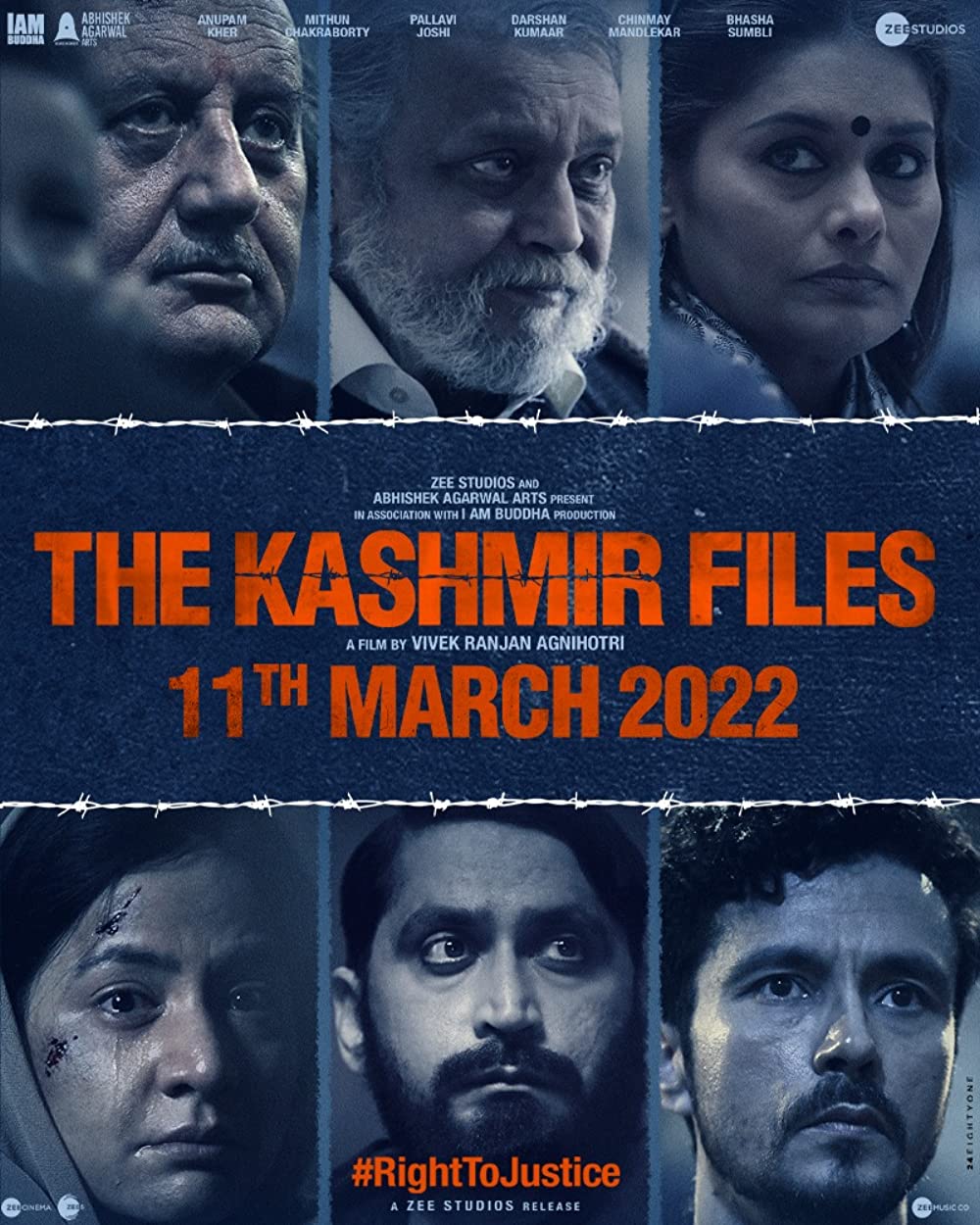
There’s a great scene in #TheKashmirFiles. When Krishna (Darshan Kumar) gives his speech in ANU (an obvious wordplay!), Radhika Menon (Pallavi Joshi) who plays a brilliant amalgamation of several real life characters, asks him to stop. And a student sitting right beside her says, “No, let him speak. We want to listen”. This sums up the mood of the nation, especially the youth, who genuinely wanted to listen to the horrendous genocide of the Kashmiri Hindus for decades but our film industries were so tied with peddling the goody goody and romantic side of the Kashmir – often with the glorification of terrorists – that they either never told the stories of the most shameless ethnic cleansing of Bhaaratiya history or they made them bollywood-appropriate. Vivek Ranjan Agnihotri on the other hand doesn’t hold anything back in his film and an eager nation listens, just like the students of ANU who were kept ignorant to suit some political propaganda.
And boy, does he tell his story with brutal honesty! I must admit that I never liked Agnihotri’s previous outing The Tashkent Files. It was a bold but scattered film where all the narratives never really gelled together and though it asked some tough questions the resulting film was rather an assault on the senses. He follows the same narrative structure here. He puts the sides of Kashmiri Pandits, separatist murderers, politicians, Police, media, civil services, thinkers, youth torn apart amongst the narratives; perspective of almost everyone possible in front of us and yet manages to make his own ruthless statement. This very thing sets The Kashmir Files leagues apart from The Tashkent Files where he seemed to be held back at the crucial moments.
In that sense, Krishna here works more with the audience as a layered character than the incoherent Raagini (Shweta Basu Prasad) in previous outing. This is just another example of how Agnihotri’s writing has been seriously improved. His screenplay is full of insights and dialogues speak in subtext. His direction still becomes somewhat loud for such a terrifically subtle piece of cinema, but he deserves full credit for this emotionally rich yet intelligent writing. Having said that, I still feel the metamorphosis of Krishna could have been handled better. Capturing all the sides of the narrative, Udaysingh Mohite’s camera moves with panache. So does Rohit Sharma’s score. Shankh Rajadhyaksha’s editing though crisp, some may still found a space for improvement in it.
Mithun Chakraborty, Puneet Issar, Prakash Belawadi, Atul Srivastava are all seasoned actors and work excellently well. Though Mrunal Kulkarni has lesser screentime and fewer dialogues, she makes her presence felt, proving how she knows her craft out and out. Bhasha Sumbli gives life to Sharada Pandit and makes her eternal pain memorable. Pallavi Joshi portrays the vicious Radhika Menon with the way only she can.
But I must save my finest of the praises for two extraordinary artists. One is Chinmay Mandlekar who plays Farooq Bitta. He is the most merciless, cold-blooded villain you wouldn’t have seen in years on screen. It becomes hard to believe that the same person plays Chhatrapati Shivaji Maharaj in Pawankhind which is simultaneously running in theatres. Shows his versatility and the fact that a great director can extract wonders from him. And yet Anupam Kher who plays Pushkar Nath Pandit takes the cake. He infectious agony makes us feel like he is not playing a role, but reliving the trials, tribunals and ultimate injustice the Kashmiri Hindus suffered. For this role, Kher deserves all the awards possible for acting including a National Award.
Make no mistake, The Kashmir Files is not a perfect film. No film ever is. But what makes it successful is that it cuts out all the melodrama and presents the plight of people who live like refugees in their own nation as it is. And in that process, it subverts the expectations of audience in a poetic way and kicks all of us at the right places. It’s a feat no other mainstream filmmaker has ever achieved in last three decades. The Kashmir Files, the story of the most gut-wrenching pogrom and following exodus in the history of Bhaarat, deserves to be seen, heard and experienced on as many international platforms as possible.
कर्नाटकच्या सीमेवर सैनिकांची एक तुकडी मोहिमेवर असते. त्यांचं लक्ष्य असतं नक्षलवादी गजेंद्र साहू. कर्मधर्मसंयोगाने साहू पळून जाण्यात यशस्वी होतो व एका हिंदू साधूच्या आश्रमात शरण घेतो. आश्रम, तेथील महंत आणि त्यांचा समाजावरील प्रभाव यांच्या प्रचंड ताकदीची जाणीव साहूला होते व ती ताकद हस्तगत करण्यासाठी तो महंतांचा खून करतो आणि त्यांची जागा घेतो. त्याच आसपास एका कुटूंबात प्रसुती होते. जुळी मुलं. पण एक जिवंत आणि दुसरा मृत. गावात वास्तव्यास असलेला अघोरी अनपेक्षितरित्या त्या घरी येतो आणि मृत बालकाची मागणी करतो. मुलाची आई अद्याप मूर्च्छेत असते. वडील तिच्या नकळत ते बाळ अघोरीला देऊन टाकतात. हस्ते परहस्ते त्या मृत बालकाचा प्रवास होऊ लागतो. या तसं बघितलं तर दोन वेगवेगळ्या घटना. पण त्यांना एकत्र आणण्याचं आणि त्यातून अत्यंत श्रीमंत व्यावसायिक मूल्यं असलेला ‘अखंडा’ बनवून दाखवण्याचं श्रेय जातं ते बोयापती श्रीनूला!
‘अखंडा’चा पूर्वार्ध कमालीचा संथ आहे. संथ आणि पूर्वानुमेय (प्रेडिक्टेबल) घटनांनी भरलेला! पण ते सहन करत असतानाही आपल्याला आतून वाटत राहातं की हे कोणत्या तरी मोठ्ठ्या यंत्राचे सांधे जुळवणं सुरू आहे. ते सांधे एकदा जुळले की सबंध चित्रपट फुलून येणार आहे. तसंच होतं. चित्रपट जरी मूळ संघर्ष अंथरायला वेळ घेत असला तरी एकदा तो त्या क्षेत्रात घुसला की स्फुल्लिंगातून अपरिमित तेजस्वी विस्फोट व्हावा तसा फुलून येतो!
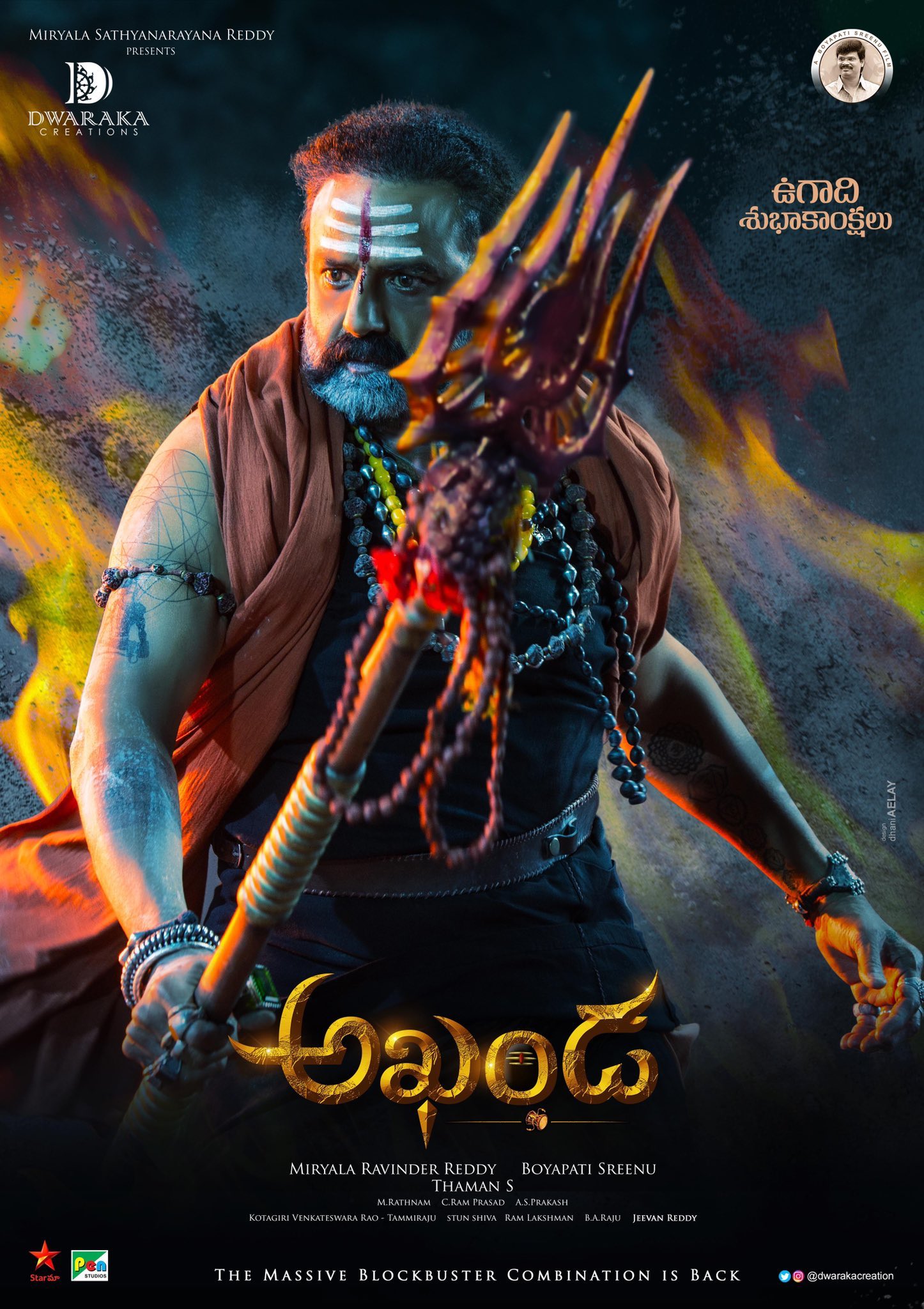
नंदमुरी बाळकृष्ण अर्थात बालय्याला चित्रपटात दुहेरी भूमिका आहेत. एक म्हणजे रक्तपातावर विश्वास नसलेला मुरली आणि दुसरा म्हणजे दुर्जनांचा रक्तपात हेच उत्तर यावर ठाम विश्वास असलेला अखंड रुद्र सिकंदर अघोरा! पहिल्या भूमिकेतदेखील खूप सारे टाळ्या-शिट्ट्या वसूल करणारे क्षण असले तरी ते काही बालय्याचं नेहमीचं मैदान नाही. त्यामुळे त्या भूमिकेत तो काहीसा अडखळतो, काहीसा चाचपडतो. पण अंती आपल्या अनुभवाच्या जोरावर कथेचे सांधे जुळवण्याची भूमिका निभावून नेतो. आणि एकदा का ते सांधे जुळले की मग अखंडाच्या रुपात तो अक्षरशः तांडव घालतो तांडव! त्या पात्रात त्याचं रूप, त्याची देहबोली, त्याचं ठायीठायी संस्कृत बोलणं, सगळ्यांपासून तुटक व कोणत्याही सांसारिक पाशांपासून मुक्त असणं आणि कसलाही धरबंध न बाळगता थैमान घालणं साऱ्या साऱ्या गोष्टी वरच्या परिच्छेदात सांगितल्याप्रमाणेच फुलून येतात!
बॉलिवूडची प्रथाच आहे धर्माचा शक्य तितका अपमान करणं, धर्मपरायण मंडळींना शक्य तितकं नीच लेखणं. बॉलिवूडमध्ये काम करणारे लेखक, दिग्दर्शक, तंत्रज्ञ सारेच विदेशी शिक्षणाची पैदास असल्यामुळे त्यांना ना या देशाची माती ठाऊक असते ना त्या मातीच्या भावना. त्यामुळेच त्यांचे चित्रपटही तसेच असतात – विसविशीत, उथळ आणि अगोचर! या देशाच्या वैविध्याला एका धाग्याने जोडणारा हिंदू धर्म तर त्यांना स्वप्नातही नकोसा असतो, उलट ते त्याचा आपापल्या अभिव्यक्तींतून शक्य तितका तिरस्कारच करत असतात. तेलुगू चित्रपटसृष्टी असल्या अंधश्रद्धांना थारा देत नाही. ‘अखंडा’मध्ये सबंध चित्रपटभर भगव्या संकेतांचा मुक्तहस्ते वापर केलाय. नुसत्या नायकाच्या वेशातच नाही तर गाड्या, पात्रांच्या ओळखपत्राची दोरी अशा नजरेला सहज न दिसणाऱ्या जागांवरही केसरी उधळण आहे. चित्रपटातील जोड्या विवाहसंस्थेवर विश्वास ठेवणाऱ्या आहेत आणि कुटूंबे कुटूंबसंस्थेवर विश्वास ठेवणारी आहेत.
पण चित्रपटाचं सगळ्यांत मोठं वैशिष्ट्य म्हणजे लेखक-दिग्दर्शकांचा धर्माबद्दलचा अभ्यास अतिशय सूक्ष्म आहे. अघोरी पंथाचा वेश, त्यांची वर्तनाची पद्धत इ. गोष्टी तर त्यांना यथायोग्य साधल्या आहेतच. मंदिर का आवश्यक असते आणि मंदिराच्या उभारणीत धर्म किती खोलवरचा आध्यात्मिक विचार करतो हे सांगणारा प्रसंग अतिशय सुंदर झालाय. एका प्रसंगात नायक खलनायकाला मारत असताना त्याच्या शरीरावर प्रहार करताना कुंडलिनीच्या सात चक्रांची वर्णनं करतो. बॉलिवूडवाल्यांना मुळात कुंडलिनी नावाचं काही असतं हेच ठाऊक नसेल! पण सगळ्यांत जबरदस्त प्रसंग झालाय तो जिथे नायक ‘अहिंसा परमो धर्म:’च्या पुढे जात ‘धर्म: हिंसा तथैव च’ सांगतो, तसं वागतो पण तिथून निघून जात असताना पायाखाली चुकून येत असलेल्या निर्दोष मुंगळ्याचाही जीव घेत नाही!
पण या सगळ्या मारधाडीच्या आणि अभिनिवेशाच्या आत मला हा चित्रपट त्यातील सगळ्या गुणदोषांसह आवडण्याचं सगळ्यांत मोठं कारण सांगू? ते कारण आहे, अखंडा आणि मुरलीच्या लहान मुलीमधील हळवं नातं. त्यांच्यात सगळे मिळून पाच-दहा संवाद असतील. पण न बोलताच एक सन्यासी आणि अबोध बालिकेतील नात्याची घट्ट वीण बोयापती श्रीनूने जी सुरेख विणलीये आणि बालय्यानेही ती जितक्या अनपेक्षित संयतपणे चितारलीये तिला तोड नाही. जननी नाव दाखवलंय तिचं. अखंडा एकाच वेळी तिला लहान बालिका आणि जगज्जननी जगदंबा म्हणून लळा लावतो, ते अतिशय लाघवी आहे.
या नव्या वर्षात ‘पुष्पा’ने सबंध देशभर धुरळा उडवलाय. तुलनाच करायची झाली तर २५० कोटींच्या बजेटमध्ये बनलेल्या ‘पुष्पा’ने ३७० कोटी म्हणजेच बजेटच्या तुलनेत दिडपट पैसे कमावले आहेत. त्याचवेळी ७० कोटींत बनलेल्या ‘अखंडा’ने १५० कोटी म्हणजेच बजेटच्या तुलनेत दुप्पट कमाई केली आहे. शुद्ध संख्याशास्त्रीय भाषेत बोलायला गेलं तर ‘अखंडा’ हा निर्मात्यांसाठी अधिक फायदेशीर ठरलाय. मी गेल्या जवळपास अर्ध्या दशकाहून अधिक काळ सांगतोय की ‘रीजनल इज द न्यू नॅशनल’. ‘अखंडा’ तसाच आहे. प्रादेशिक असूनही राष्ट्रीय स्तरावर धार्मिक अस्मितेला फुंकर घालणारा. भौतिकशास्त्राचे नियम पाळायला तो काही ख्रिस्तोफर नोलनचा चित्रपट नाही. त्याच्या पूर्वार्धातील संथपणा, अनावश्यक गाणे (जय बालय्या), पूर्वार्धात बालय्याचं अवघडलेपण सहन करू शकलात आणि मसालापट हे मसालापट म्हणून बघू शकण्याइतकी परिपक्वता तुमच्या ठायी असेल तर तुम्हाला तो आवडण्याची अखंड शक्यता आहे! सर्वोत्तम अनुभवासाठी मूळ तेलुगू भाषेतच पाहा.
Mahabharata is Itihasa. Traditionally, it’s a History, rather than imagination. And therefore, like in the real life all its characters are neither fully dark nor fully bright, but gray. Characters tilted towards the darker side are Kauravas and their allies. But even in those characters, the most vindictive was Karna. Yes, the very Karna who is presented as a hero by some writers of fictional fantasies and tv fanboys.
Karna was not even a good warrior as his fans want to present. Allow me to give you an example. After finishing the studies, Dronacharya asked Kauravas and Pandavas to wage war on King Drupad. During the duel, the so called invincible Karna was severely wounded and fled the battlefield. He did the same after many years too while fighting with Brihannala, i.e. Arjuna while all the Kauravas tried to abduct the cows of King Virat. Karna abandoned his best friend Duryodhana and fled during the battle with Chitrarath Gandharva too. All this while his so called Kavacha and Kundala, i.e. body armor and earpieces were intact. It is mentioned that during the Mahabharata war, Karna even retreated while facing Bhima. And no, they weren’t fighting with a Gada, i.e. a Mace, Bhima’s weapon of choice, it was a battle in Archery!
In the Lakshagruha arson conspiracy, Karna was an active conspirator with Duryodhana. After the Lakshagruha and the Swayamvar, when Dhritarashtra was of the mind of separating the Kingdom between Kauravas and Pandavas, it was Karna who advised against it. Remember, Pandavas were the rightful heirs and Kauravas were but the trustees who became greedy. It is said that Karna was insulted during the Swayamvar. But the truth was that he tried to compete despite being clearly aware of the rules.
Karna always lusted after Draupadi. During the Dyuta, i.e. the game of dice, when Dusshasan dragged Draupadi in the hall, Karna cheered and congratulated Dusshasana. He was the one who called the queen Draupadi a whore and argued that whether she wears clothes or not is immaterial. So stripping her off was Karna’s idea. He even called for her enslavement. Undoubtedly, Duryodhana was the head of the conspiracy. But lest we forget to assess Karna’s active role too. Remember, all this happened to that woman while she was menstruating.
Karna was a very charitable person. But his charity too wasn’t absolute. In Mahabharata he takes an oath, that until I kill Arjuna, no needy person will leave from my door without an appropriate donation. It simply means that his intentions behind the charity were not pure, but were dependent on the event of him Killing Arjuna. In other words, Karna knew that he was a sinful man and wanted to gather Punya, i.e. good virtues before facing Arjuna.
Duryodhana was a villain. He openly expressed his envy towards Pandavas many times. But he was a villain that everyone could see. Karna was more dangerous than Duryodhana because he concealed his villainy well behind the veil of a good image. He was unpredictable to common minds. He played victim card whenever it suited him. Duryodhana called Karna his friend, but Karna manipulated him several times for his desires, made sure that Duryodhana’s envy towards Pandavas will keep on burning. And when the time came for the supreme sacrifice, he shirked away. In fact, Bhishma while openly criticizing Duryodhana served his purpose better than the so called best friend. Yes, Karna was killed while not wielding a weapon and that was wrong, but then what lives wrongfully ends wrongfully too. That is why even Karna couldn’t counter Krishna when he recounted all the past sins of the latter.
Karna was deprived of status, wealth everything from childhood. But then, even Krishna faced exactly the same fate. One was emerged as the greatest philosopher of all time and other a sociopath. Karna was taken under Duryodhana’s wings at the early stages of life, while Krishna was a self-made man who survived many attempts on his life since very childhood. Krishna’s approach was positive even in poverty while Karna’s was negative even in abundance. Mahabharata is history. But it is a study in psychology too. Read original scriptures written by Vyasa who, let me add, was a contemporary of the times, and you will see a picture completely different than tv shows and novels.
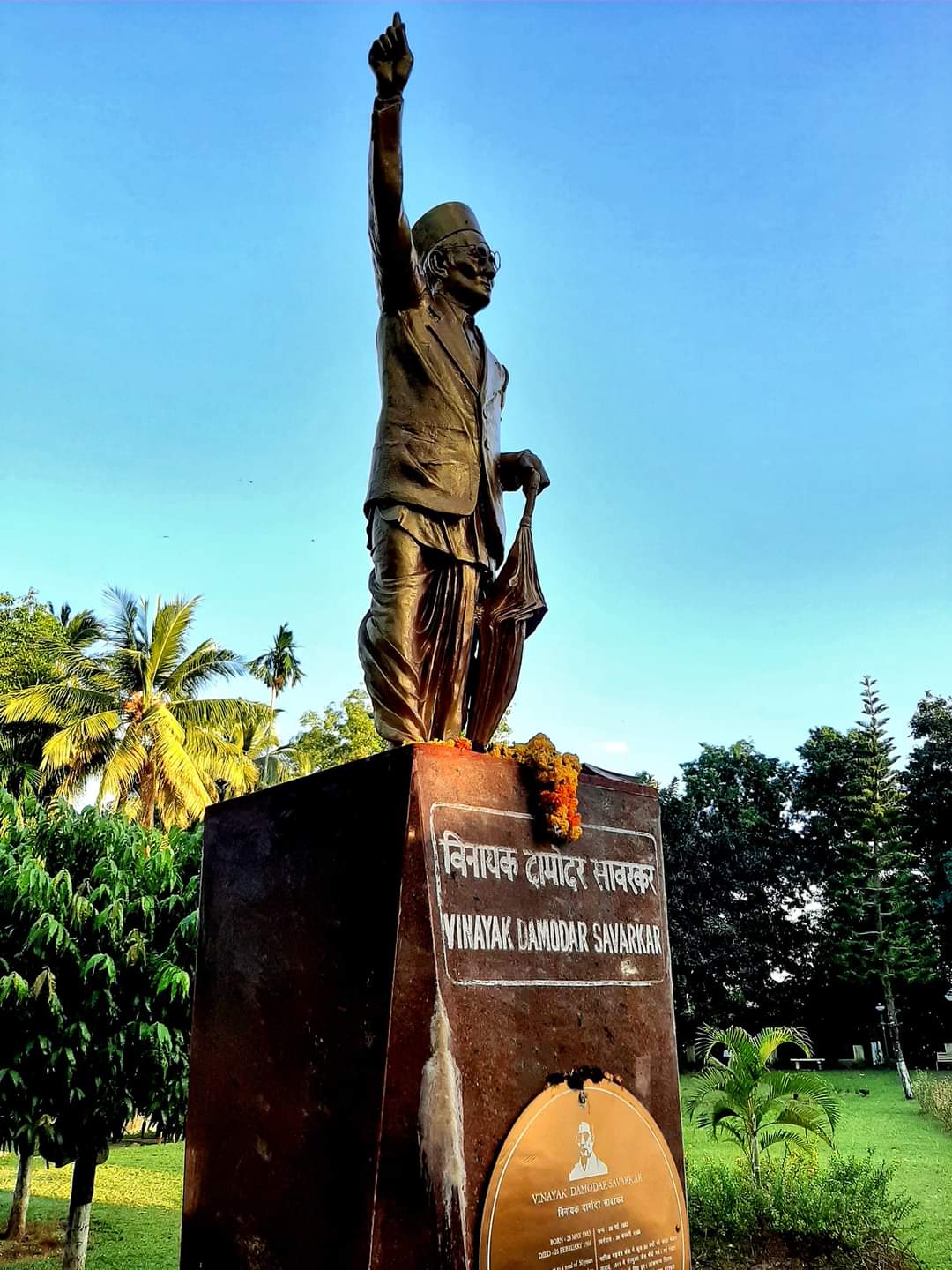
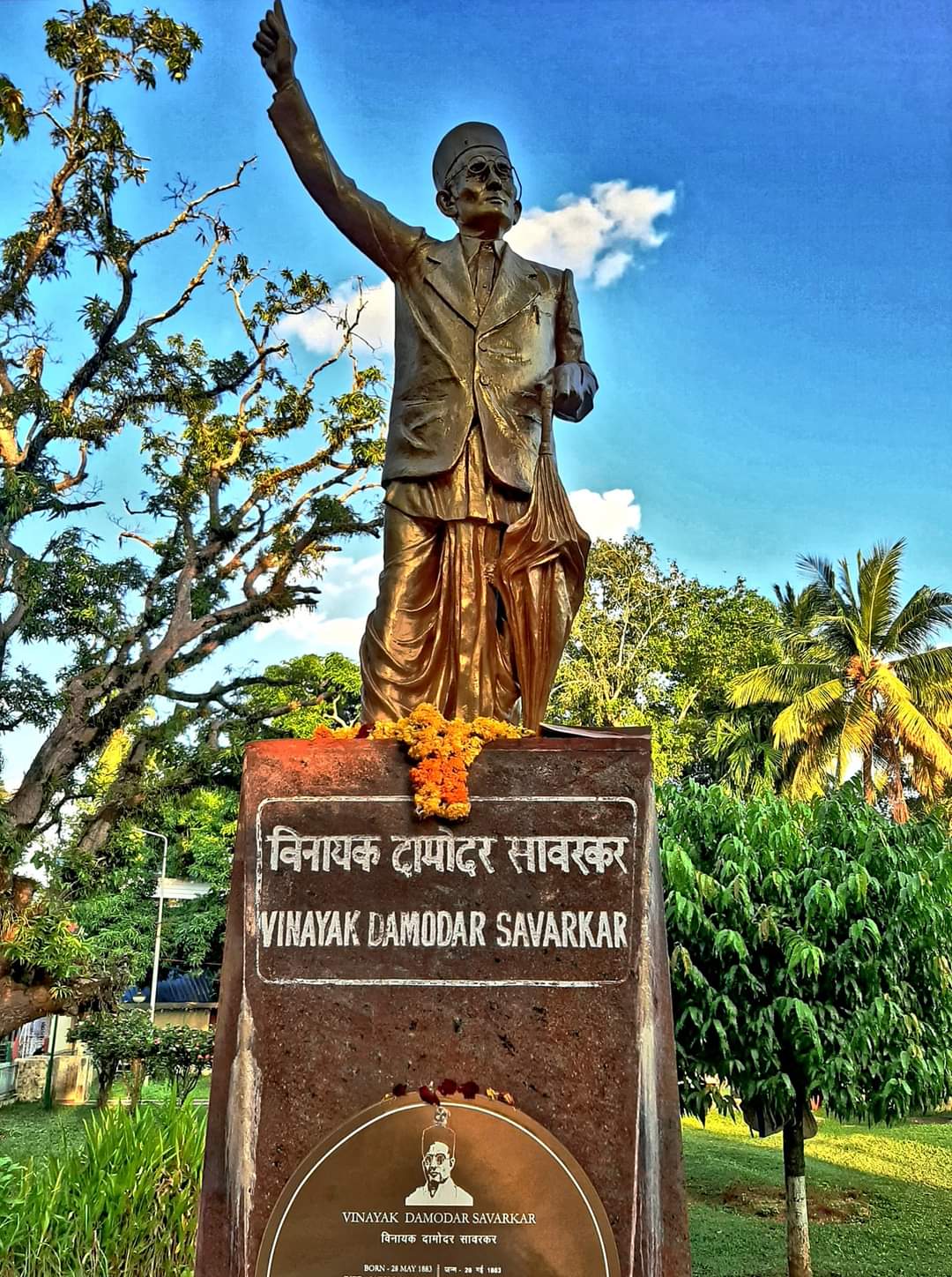
स्वा. सावरकरांच्या व्यक्तिमत्त्वातील शतावधी पैलूंपैकी एकच कोणता तरी सहज, सुगम पैलू निवडायला सांगितला, तर मी क्षणभराचाही विचार न करता उत्तर देईन की, सावरकरांचे व्यक्तिमत्त्व चुंबकासारखे होते! चुंबकाकडे जसे लोहकण आपसूकच आकर्षित होतात, तसे लोक सावरकरांच्या भोवती गोळा होत. म्हणजे अगदी लहानपणीदेखील तात्यांच्या भोवती परशुराम शिंपी, राजाराम शिंपी, पुढे देशभक्त म्हणून ख्याती प्राप्त केलेले गोपाळराव देसाई, वामनराव धोपावकर, भिकू वंजारी, त्र्यंबकराव वर्तक, वामनशास्त्री दातार वगैरे मित्रपरिवाराचा गराडा असायचा (स्वा. सावरकर चरित्र, लेखक शि. ल. करंदीकर, आ. २०११, पृ. ५४). मित्रमेळा तथा अभिनव भारताचे अगदी सुरुवातीचे सदस्य असलेले त्रिंबकराव म्हसकर आणि रावजी कृष्ण पागे हे मूळचे बाबारावांचे मित्र, परंतु ते देखील तात्यारावांच्या प्रभावाखाली आल्याशिवाय राहिले नाहीत (तत्रोक्त, पृ. ७१). सावरकर लहानपणापासूनच जातिगत भेदभावाच्या विरोधात होते, त्यामुळेच पुढे नाशिकला, तिथून पुण्याला आणि त्यानंतर लंडनला गेल्यावर हा मित्रपरिवार विस्तारतच गेला.
तीच गोष्ट अंदमानची! लक्षात घ्या, सावरकर बॅरिस्टर होते. अंदमानात येण्याआधीच ‘इंडिया हाऊस’ आणि मार्सेतील समुद्रसाहसाच्या निमित्ताने त्रिखंड गाजवलेले होते. त्यांना अंदमानातील जमादार वगैरे तर सोडाच पण बारीही वचकून असे. साहजिकच सावरकरांना अर्थात ‘बडे बाबूं’ना बंदीवानांमध्ये विशेष मान होता. या योगे आणि सावरकरांच्या मूळच्याच चुंबकीय स्वभावामुळे बंदीगृहाच्या निर्बंधातही त्यांच्याकडे राजकीय व सामान्य बंदीच नव्हे तर अगदी वॉर्डरदेखील खेचले जात. सावरकरांचा कोठडीतील पहिलाच आठवडा होता, तेव्हाची गोष्ट आहे (माझी जन्मठेप, परचुरे प्रकाशन मंदिर, आ. २००७, पृ. ७८-७९). एके दिवशी एका वॉर्डरने सावरकरांच्या कोठडीतील गजांमधून एक दगड फेकला. निरखून पाहिले तर त्यासोबत एक चिठ्ठी होती. ती फेकताना नेमके एका पठाण वॉर्डरने पाहिले. त्याने आरडाओरडा केला. झडती सुरू झाली तशी सावरकरांनी ती चिठ्ठी अंगावरच बेमालूमपणे लपवली. सारे शांत झाल्यावर सावरकरांनी ती चिठ्ठी वाचली. काय होतं त्या चिठ्ठीत? तर त्यात अंदमानची परिस्थिती कथन केली होती. कोण कसं आहे, कुणावर विश्वास टाकावा वा टाकू नये वगैरे. मला सांगा, काय गरज होती त्या वॉर्डरला स्वतःची नोकरीच नव्हे तर अक्षरशः जीव धोक्यात घालून एका पन्नास वर्षांची शिक्षा झालेल्या सत्तावीस वर्षांच्या तरुणासाठी हे करायची? इंग्रजीत एक म्हण आहे, ‘Respect is commanded, not demanded’. त्या म्हणीचं चपखल उदाहरण, म्हणजेच ही घटना!
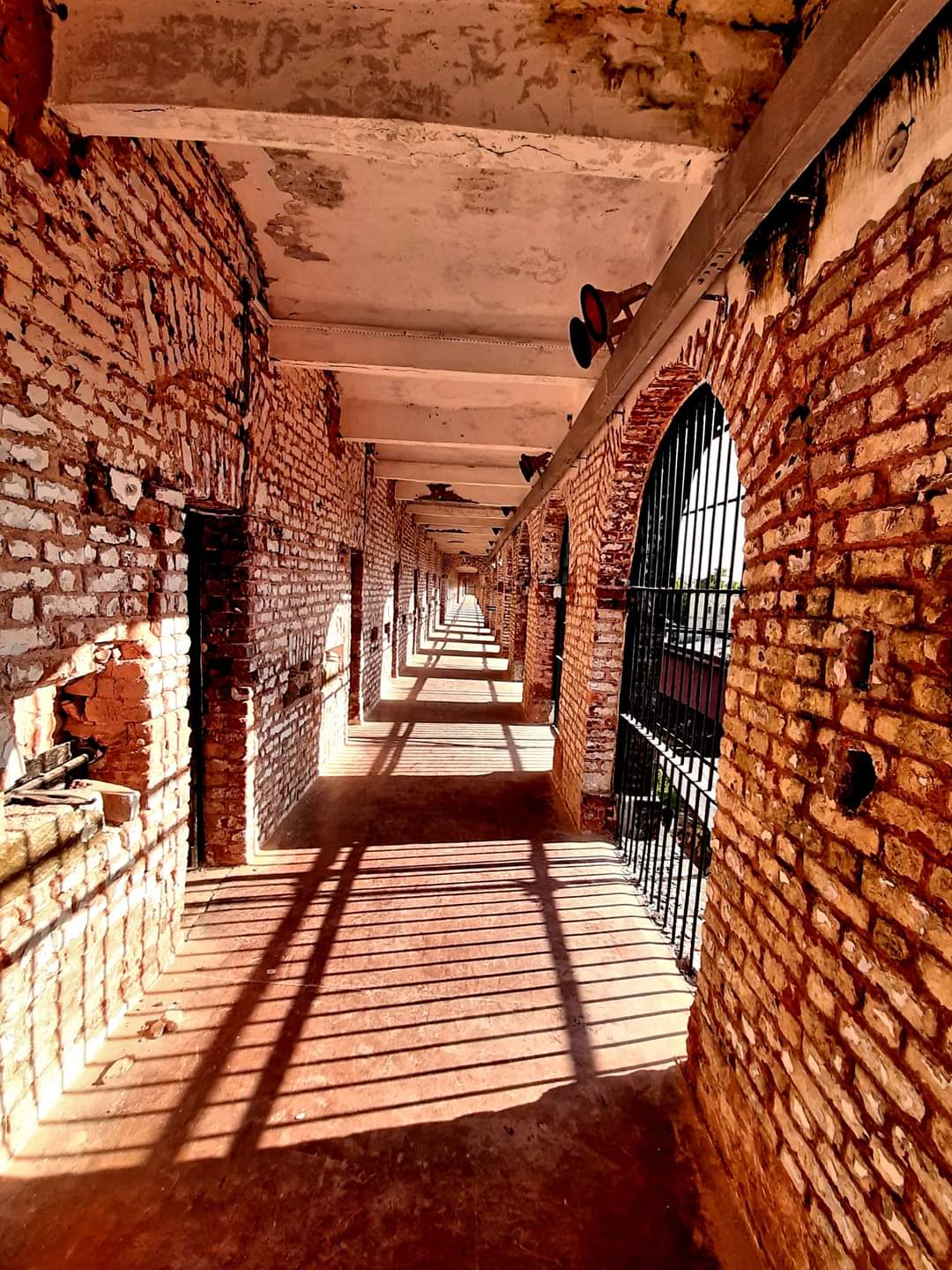
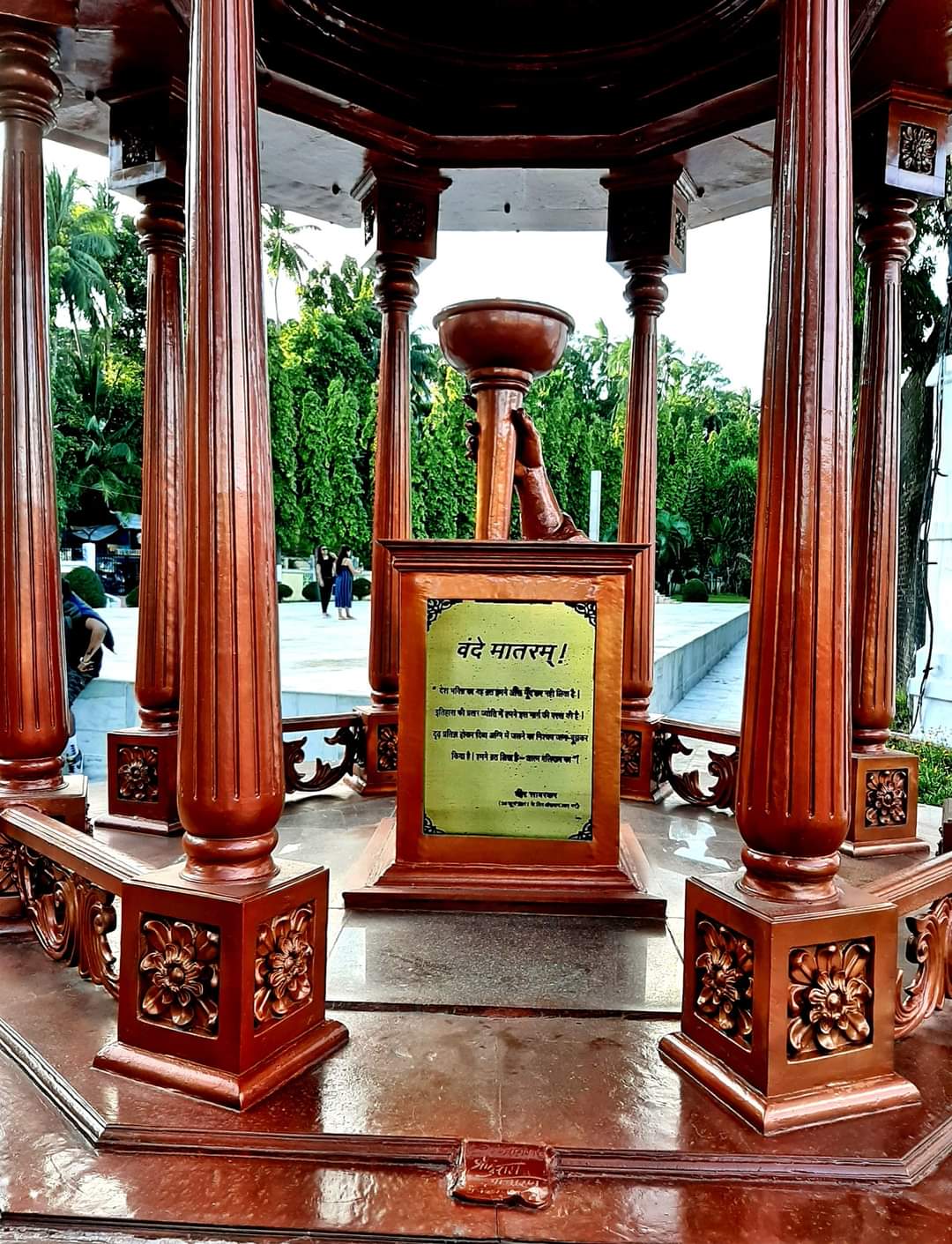
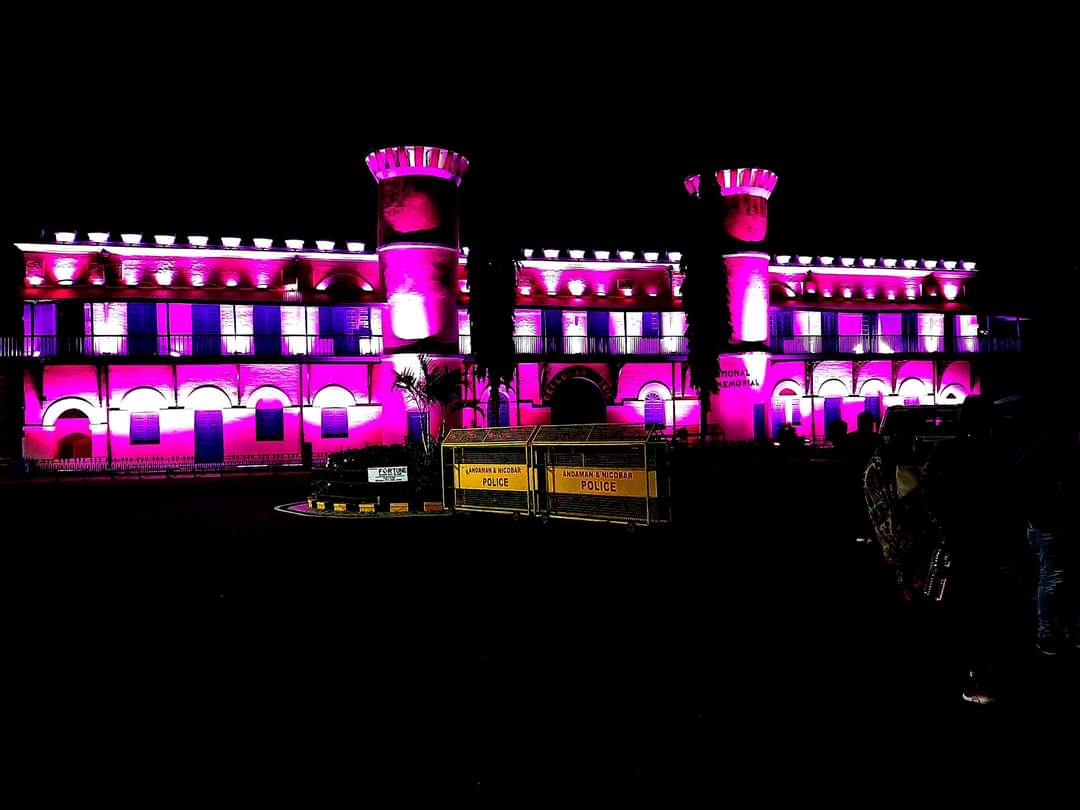
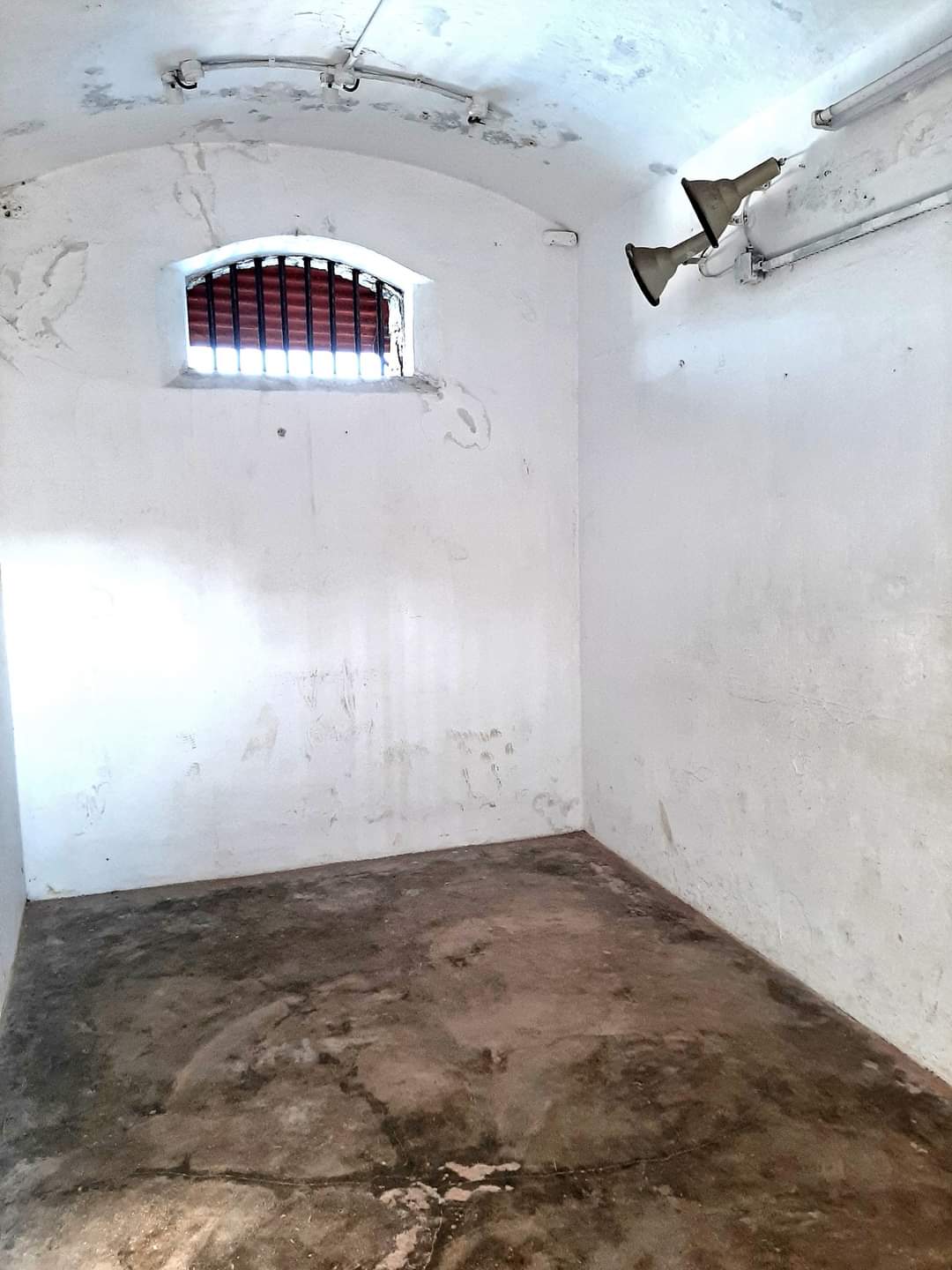
अंदमानात अनेक प्रकारचे बंदी होते. काही चोर होते, काही दरोडेखोर, लुटारू, खुनी, बलात्कारीदेखील होते. पण या नृशंस मंडळींपेक्षा सर्वस्वी भिन्न होते ते क्रांतिकारक! सावरकरांच्याच शब्दांत सांगायचं झालं (तत्रोक्त, पृ. ८७, ८८) तर त्यांच्यातही ‘बॉम्बगोळेवाले’ आणि ‘जीभवाले’ असे दोन प्रमुख प्रकार होते. स्वतः सावरकरांना अंदमानात ‘डी’ अर्थात ‘डेंजरस’ लिहिलेला बिल्ला दिला होता. या ‘डी’वाल्या मंडळींना बारी आणि त्याचे वॉर्डर्स विशेष जाच करत असत. त्यातही सावरकरांवर तर आणखीनच अवकृपा केली जात असे. कधी अंदमानला गेलात तर सावरकरांची कोठडी अवश्य पाहा, त्याच्या पुढे बसण्यापुरतीच एक विशेष जागा केलेली आहे. विशेष यासाठी की, तिथे थांबल्यास नजरेत एकच गोष्ट भरते ती म्हणजे अंदमानातील फाशीगृह! सावरकरांचे मनोधैर्य खच्ची करण्यासाठी बारीने केलेला हा प्रकार अंगावर अक्षरशः शहारा आणतो. पण त्याही परिस्थितीत सावरकरांची अंतर्दृष्टी कशी तीक्ष्ण होती पाहा. एके दिवशी सावरकरांच्या समोरच बारी राजबंदीवानांस “इन की ×× फाड डालनी पडेगी” असे अश्लील बोलला (तत्रोक्त, पृ. १०८). तो निघून गेल्यावर सावरकरांनी त्या तरुणांना त्यांची नावे विचारली. त्यांची म्लानवदने पाहून सावरकर त्यांना म्हणाले, “एक दिवस क्वचित येईल की अंदमानच्या याच कारागारात राजबंदीवानांचे पुतळे उभारले जातील”! सावरकरांचे हे शब्द अक्षरशः सत्य ठरले. आज सेल्युलर जेल राष्ट्रीय स्मारकाच्या उद्यानात विविध क्रांतिकारकांचे पूर्णाकृती पुतळे डौलाने उभे आहेत! सावरकरांना राजकीय बंदी असूनही मुद्दामहूनच सापत्न वागणूक दिली जाई, कोलूला जुंपले जाई. कोलू म्हणजे घाण्याला जुंपून काढण्याची शिक्षा. रोजचं पौंडांचं उद्दिष्ट गाठताना मी-मी म्हणणाऱ्या धटिंगणांसही नाकीनऊ येत असत, तिथे या फॉरेन-रिटर्न्ड बॅरीस्टरला त्रास न झाल्यासच नवल. अशा वेळी याच उपरोक्त राजबंद्यांपैकी काही जण येऊन गुपचूप सावरकरांना मदत करून जात. कित्येकांनी तर सावरकरांना कधी जेवणाची थाळीच घासू दिली नाही, ते परस्परच स्वच्छ करून टाकत. काही जण तर सावरकर नको नको म्हणत असतानाही त्यांचे कपडे धुवून टाकत. परतफेड म्हणून सावरकर कधीतरी गुपचूप त्यांचे कपडे धूत, तेव्हा त्या मंडळींच्या मनाला कोण वाईट वाटत असे! कारागृहाच्या वाळवंटातील अशा माणूसकीच्या दुर्मिळ झऱ्यांनीच सावरकरांची जिजीविषा अखेरपर्यंत ठाम राखली होती.
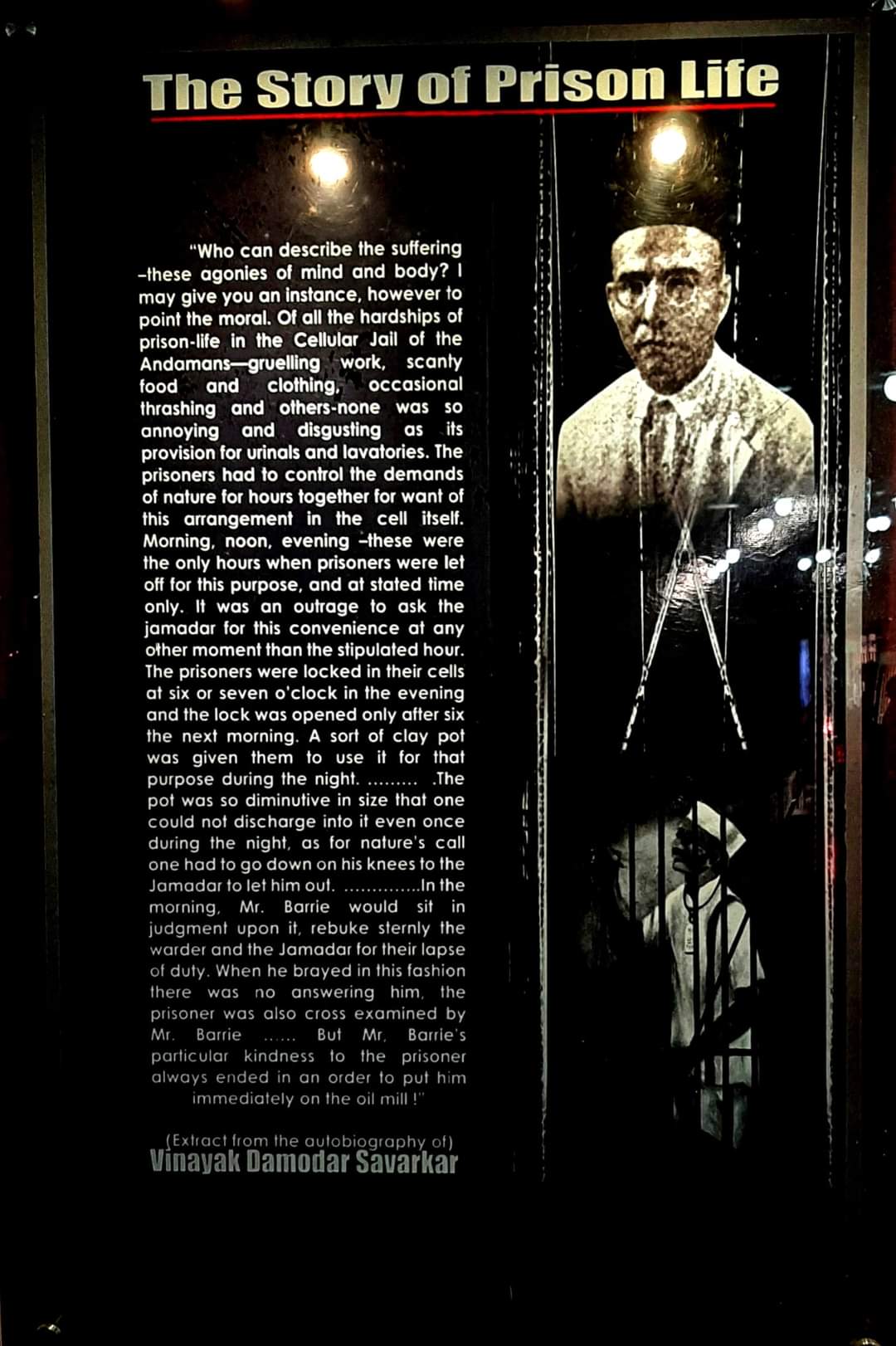
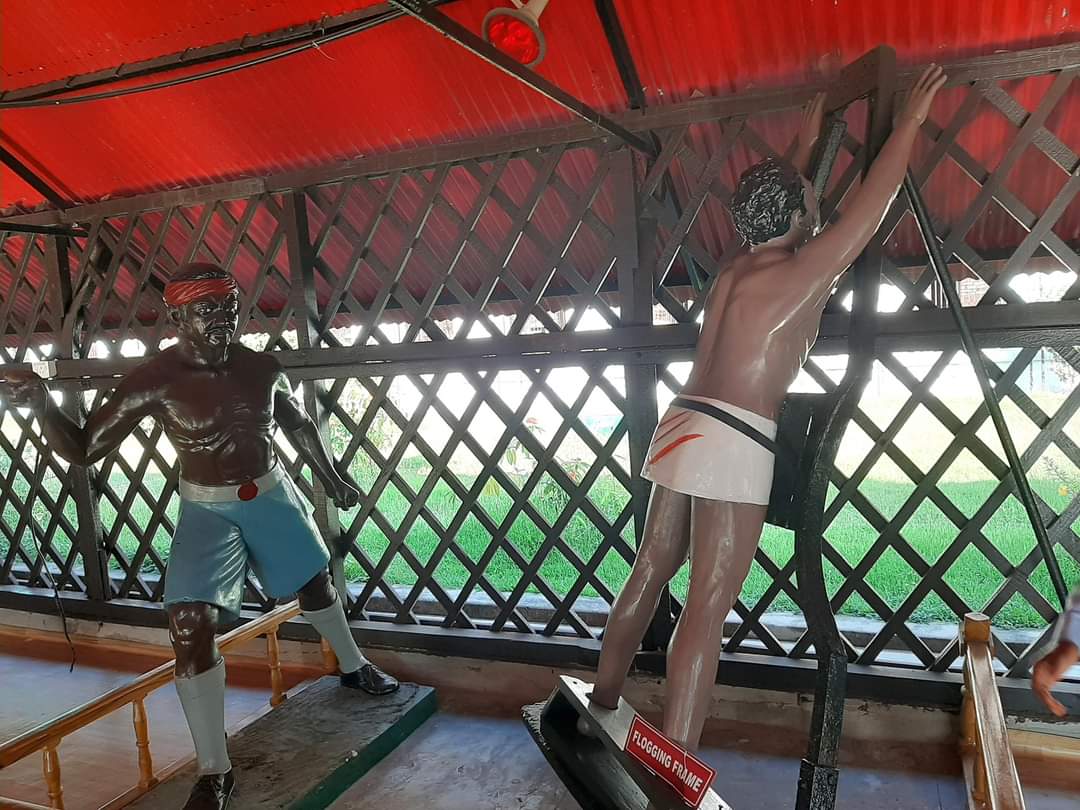
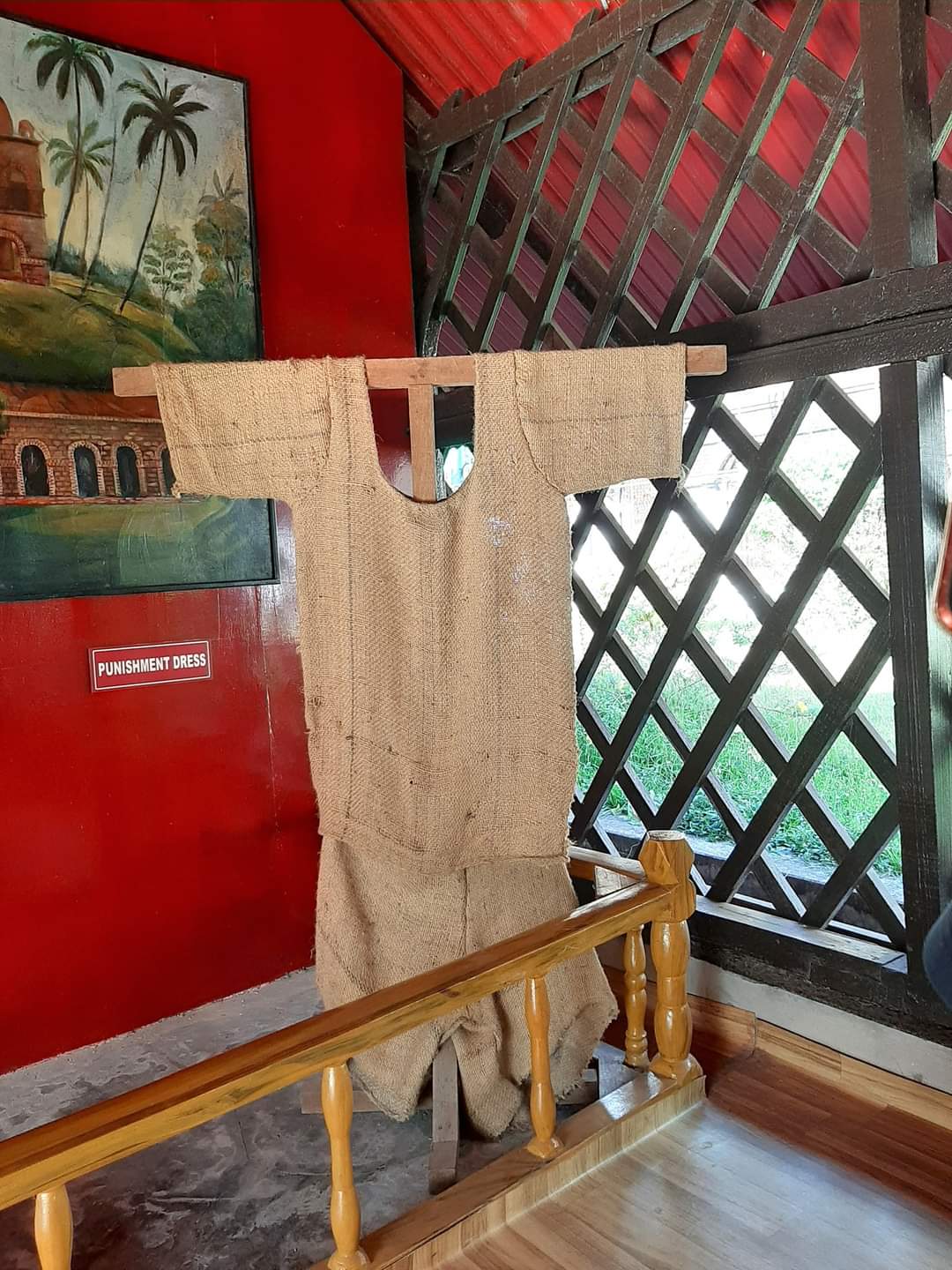
अंदमान आज सुद्धा दुर्गम आहे. त्या काळात तर अजूनच दुर्गम असलेल्या अंदमानातील त्या सेल्युलर जेलमध्ये बारी एखाद्या हुकूमशहासारखा अंमल चालवित असे. बारीचे हस्तक येता-जाता सहज म्हणून शिव्या देत असत. कारागृहातील त्या वेळच्या अमानुष शिक्षांचे आणि बेड्यांचे तर आज तेथील व्यवस्थापनानेच प्रदर्शन भरवले आहे, ते पाहून आजही थरकाप होतो. छिलका कुटणे, कोलू फिरवणे, जंगलकटाई वगैरे गुरांसारखी कामे करणाऱ्या बंद्यांना जेवणात काय मिळत असे? सावरकरांच्याच शब्दांत सांगायचं झालं (तत्रोक्त, १६४) तर, ‘दुर्लक्षितपणे, घामटपणे, निष्काळजीपणे शिजवलेले आणि आरोग्यास हानिकारक’ असे हे अन्न असे. उदाहरणच द्यायचं झालं तर, बंद्यांना जी कांजी मिळे, त्यात अनेकदा घासलेट पडलेले असे. भाजीत गोम, साप तर प्रत्यही निघत. आपल्या तुलनेत अंदमान विषुववृत्ताच्या जवळ आहे. त्यामुळे तिथे पावसाळाही तसाच. बरेचदा त्याच पावसात उभे राहून भिजलेल्या पोळ्या, ओला भात खावा लागे. बरेचदा या जेवणातूनही गुलाम रसूल, मिर्ज़ाखान वगैरे पठाण जमादारांना वाटा द्यावा लागे, असे बारींद्रकुमार घोष यांनी लिहून ठेवले आहे (राजनैतिक कारस्थान, खंड २, पृ. १६०). शौचास अथवा मूत्रविसर्जनासाठी जाण्यापासूनही कैद्यांना रोखण्याचा पशूहूनही नीचतम प्रकार बारीच्या आशीर्वादाने जमादार करत असत. एकदा तत्कालीन गृहमंत्र्यांचा दौरा सुरू असताना नंदगोपाल नावाच्या एका पंजाबी राजबंद्यांनी हे गाऱ्हाणे मांडले. बारीने अर्थातच सारे काही मुळापासून नाकारले. त्यावर नंदगोपाल उसळून म्हणाले, “या बंदीगृहातील खोल्यांत तुम्ही एकदा प्रत्यक्ष हिंडा आणि तेथील भिंतींच्या कोपऱ्यांचा वास घ्या. तुमचे नाकच आमचे साक्षीदार” (माझी जन्मठेप, पृ. ९९).
हे सारे बाहेर कुणाला कळवायची सोय होती का? तर ते ही नाही. अंदमानातून बंद पाकिट पाठवताच येत नसे. जे काही टपाल जाई ते उघडेच, अर्थात अधिकाऱ्यांनी व्यवस्थित वाचल्यावरच. असेच एक गृहस्थ होते, होतीलाल. संयुक्त प्रांतातून राजद्रोहाच्या आरोपाखाली दहा वर्षांसाठी आलेले. शुद्ध हिंदी बोलणारे व ऊर्दू आणि इंग्रजीतही प्रवीण. बारा गावचेच नव्हे तर रशिया, चीन, जपान इ. बारा देशांचे पाणी प्यायलेले. हे होतीलाल म्हणजेच श्री. होतीलाल वर्मा असल्याचे काही ऑनलाईन ब्लॉग्सवर (zillion2dinnings इ.) दिसते तर अंदमान आणि निकोबार पर्यटनाच्या अधिकृत संकेतस्थळावरही तसा उल्लेख आढळतो. त्यांनी हिकमत केली. पहारेकऱ्यांची नजर चुकवत चुकवत त्यांनी कसेबसे एक पत्र लिहून काढले. बाहेरकामास बंदीवान जात असत त्या धांदलीत त्यांनी ते एकाच्या हाती बाहेर धाडले. त्याने ते झडतीपासून मुक्त अशा एका सरकारी विश्वासास पात्र प्रवाशाकडे सोपवले. त्या पत्राचे पुढे काय झाले, ते भारतात पोहोचले की तत्पूर्वीच त्या प्रवाशाने समुद्रात फेकून दिले वगैरे बंद्यांना समजावयास काहीच मार्ग नाही. आणि एके दिवशी बारीचा भडका उडाला! त्यावरून समजले की, ते पत्र भारतात सुरेंद्रनाथ बॅनर्जींपर्यंत पोहोचले होते. त्यांनीही मोठेच धैर्य दाखवत ते आपल्या ‘द बंगाली’मध्ये (२७ एप्रिल १९१२) छापले होते. एवढेच नव्हे तर त्यावर एक स्फुटदेखील लिहिले होते. त्यावरून मोठ्ठा गदारोळ झाला होता. एकदा तर पंजाबमधील कुणा थोर पुरुषाच्या क्रांतिकारक पुत्राने (सावरकरांनी गोपनीयतेच्या कारणास्तव नावे दिलेली नाहीत) पंजाबमधील तुरुंगातून एक बंदी अंदमानात पाठवला जात असताना त्याच्या बिल्ल्यावर सावरकरांसाठी पत्र लिहून पाठवले (माझी जन्मठेप, पृ. १४४). त्या बंद्याची सर्वत्र कपडे काढून झडती झाली, पण गळ्यातला बिल्ला पाहावयाचे कुणासही सुचले नाही!
पण अशा कुरघोड्या विरळ आणि कारागृहातील जाच मात्र शाश्वत होता. इंदुभूषण रॉय नावाचे एक तरुण क्रांतिकारक होते. त्यांना माणिकतोळा खटल्यात दहा वर्षांसाठी काळे पाण्याची शिक्षा झाली होती. सामान्यतः बंद्यांना जेव्हा तुरुंगाबाहेरची कामे देत, तेव्हा ती तुलनेने आरामदायक असत. त्यातही कुणी बंदी आजारी पडलाच तर त्याला बाहेरच्या, तुलनेने चांगल्या इस्पितळात धाडले जाई. पण राजबंद्यांना ही सुविधा उपलब्ध होती का? सावरकर लिहितात, ‘राजबंदीवान आजारी पडला तर त्यास त्या आजारी होण्याचाही एखाद्या अपराधासारखा दंड द्यावा लागे. कारण त्यास लगेच तापात वा रेच होत असता आपले अंथरुण डोक्यावर घेऊन, आपली थाळी हातात घेऊन दोन-चार-पाच मैल चालत परत त्या सेल्युलर तुरुंगाचे भीषण दार पाहावे लागे आणि आत येताच कोठडीबंद होऊन पडावे लागे’ (तत्रोक्त, पृ. १७६). या छळाला इंदुभूषण कंटाळले. त्यांनी काम नाकारले. दंडाबेडी पत्करली, पण हे काम नको असा पवित्रा घेतला. ‘नॉस्टॅल्जिया कोलकाता’ (https://nostalgiakolkata.blogspot.com/2016/07/indu-bhusan-roy.html?m=1) ब्लॉगचे लेखक लिहितात, ‘He had been suffering from blisters caused by the juice of the rambash so much that it was even difficult for him to move his fingers freely. It became so painful that he could not get a wink of sleep during the whole night. The pain and the raw sores in his hands prevented him from eating with his hand. The touch of ‘dal’ caused him so much pain that tears would roll down from his cheeks and the food could not be touched at all. He pleaded that if the same state of affairs were allowed to continue, he would die of starvation’. त्यांनी बारीला सोपे काम मागितल्यावर बारीने काय केले? बारीने इंदुभूषण यांना कोलू फिरवायला सांगितला! केवढं हे क्रौर्य.
सावरकरांनी इंदुभूषणना धीर दिला की, ‘तुला तर दहाच वर्षे शिक्षा आहे. मला तर जन्मठेप! तेव्हा माझ्याकडे पाहून स्वतःला धीर दे. स्वदेशासाठी स्वार्थ, प्राण यांचा त्याग करणे हे जसे कर्तव्य तसेच बंधो, मनाचाही त्याग करणे कर्तव्यच आहे. तू अजून पंचविशीचे आतबाहेर माझ्यासारखाच आहेस. आणि माझ्याहून तुला सुटण्याची आशा पुष्कळ आहे. तर धीर धर. सध्या कष्ट सोसून जग की पुढे सुटताच पुन: देशमातेची सेवा करता यावी’ (माझी जन्मठेप, पृ. १७७). त्यानंतर दोन-चारच दिवस उलटले असतील. एके दिवशी सकाळी कोठड्या उघडण्याच्या वेळी एक वॉर्डर गुपचूपपणे सावरकरांपाशी आल व म्हणाला, ‘मी सांगितले म्हणून कुणास सांगू नका, पण इंदुभूषण काल फाशी खाऊन मेला’! दिनांक होता २९ एप्रिल १९१२ आणि इंदुभूषण यांचे वय होते अवघे बावीस वर्षांचे. बारीने सारे प्रकरण ‘इंदू वेड लागून मेला’ म्हणून दाबून टाकले. सावरकरांनी स्वतः व इतरांकरवी इंदुभूषणवरील अत्याचार सर्वांसमोर आणण्याचा आटोकाट प्रयत्न केला, पण व्यर्थ!
असेच दुसरे क्रांतिकारक होते उल्लासकर दत्त (माझी जन्मठेप, पृ. १८०-१८७). त्यांनी लिहिलेली ‘द्वीपांतरेर कथा’ आणि ‘आमार काराजीबन’ ही पुस्तके प्रसिद्ध आहेत. त्यांचाही अंदमानात अतोनात छळ करण्यात आला. घाण्याला जुंपलेले बैल जिथे दिवसभरात १६ पौंड तेल काढतात, तिथे अंदमानात तीन माणसांना घाण्याला जुंपून ८० पौंड तेल काढावे लागत असे. तेही रेंगाळत नाही, तर दिवसभर पळत. एखादा जरासा रेंगाळला, तर दांडक्याने मारहाण होत असे. तरीही काम केले नाहीच तर त्याला घाण्याला बांधून इतरांना पळायला सांगत, म्हणजे हा फरपटत जाई, त्याचे डोके, तोंड आपटून फुटे. इतरांना सहा महिन्यांनंतर बाहेरचे काम देण्यात येई. पण इंग्रजांच्या दृष्टीने जहाल असलेल्यांना मात्र वर्षानुवर्षे आतच ठेवत. अखेर खूप वाट पाहिल्यानंतर उल्लासकरांना बाहेरचे काम देण्यात आले ते वीटांचे. ओल्या वीटा ने-आण करण्याचे काम बंद्यांनी करावे यासाठी त्यांना दुधाची लालूच देण्यात येई. पण त्या दुधावरही पेटी ऑफिसरचा डोळा असे. उल्लासकर आपले दूध त्याला देत नसत म्हणून रागाने त्यांची बदली बिनदुधाच्या कामावर केली गेली, ते काम म्हणजे उंच टेकडीवर असलेल्या साहेबाच्या बंगल्यावर कावडीने पाणी पोहोचवणे. जीव कासावीस व्हायचा. प्राण कंठाशी यायचे. शेवटी थकून जाऊन त्यांनी ते काम नाकारले. पण इंग्रजांना त्याचे ना सोयर ना सुतक. त्यांनी उल्लासकर दत्तांवर खटला भरला व त्यांना तुरुंगात नेऊन टाकले. तशा त्या मरणासन्न अवस्थेत उल्लासकर दत्तांना भास होऊ लागले की, बारी आपल्याला द्वंद्वयुद्ध खेळायला बोलावतो आहे व आपल्या बाजूने सावरकर लढताहेत. अखेरीस सावरकरांचा विजय होतो. उल्लासकर दत्तांना विलक्षण आनंद होतो, पण तेवढ्यात तो सारा देखावाच वितळून गेला. टळटळीत दुपारचे ऊन होते आणि उल्लासकर दत्तांच्या अंगात १०७ ताप होता! या मरणप्राय यातनांनी अखेर त्यांना उन्माद आला. तर उपचार म्हणून त्यांना वीजेचे झटके दिले गेले. तीन दिवस आणि तीन रात्र बेशुद्ध होते ते! काय अवस्था झाली असेल, फक्त एकदा विचार करून पाहा. त्यांनी फाशी घ्यायचाही प्रयत्न केला, पण नियतीला त्या क्षणी ते देखील सुख मिळू द्यायचे नव्हते त्यांना. अखेर एका पर्यवेक्षकाला त्यांची दया आली व त्याने त्यांना वेड्यांच्या इस्पितळात धाडले. दुष्ट बारी मात्र अखेरपर्यंत हेच म्हणत राहिला की, उल्लासकर ढोंग करतोय.
नानी गोपाळांना तर त्यांच्या असहकाराची शिक्षा म्हणून वेत मारण्याची शिक्षा दिली गेली. अशा निर्घृण शिक्षेची जबाबदारी तर अधिकाऱ्यांसही घेववेना. नानी गोपाळांनी अन्नत्याग केला, कुणाचेच ऐकेनात. हद्द पाहा, त्यांना नाकातून नळी टाकून दूध पाजण्यात आले. नाकातून! अखेरीस जेव्हा सावरकर त्यांना म्हणाले की, मी देखील अन्नत्याग करेन, तेव्हा त्या धाकाने त्यांनी अन्न ग्रहण केले. स्वतः सावरकरांचे मोठे बंधू बाबारावदेखील अंदमानातच होते. तरी जवळजवळ वर्षभर दोन सख्ख्या भावांना एकमेकांचे तोंडदेखील बघू दिले नव्हते इंग्रज सरकारने! अखेर या पाशवी अत्याचारांची परिणति कारागृहात संप होण्यामध्ये झाली. त्यातही पर्यवेक्षकांचे म्हणणे असे की, सावरकर संपाला उत्तेजन देतात. सावरकर ताडकन म्हणाले की, ‘इंदूस फाशी खाण्यास मी उत्तेजन दिले का? उल्लासकरास वेडे होण्यासही मीच शिकवले का? यातनाच संपास उत्तेजन देतात, मी नव्हे’. स्वतः सावरकरांनाही आत्महत्येचे विचार येऊन गेल्याचे त्यांनीच प्रांजळपणे लिहून ठेवलेय, पण प्रत्येक वेळी अतुल्य मनोबलाने त्यांनी त्या विचारांवर मात केली. १९१८ च्या सुमारास अखेर सावरकरांना अंदमानातील कष्ट व परिस्थिती सरकारी संमतीनेच कळवता आली. त्या पत्राच्या शेकडो प्रती करून नारायणराव सावरकरांनी त्या वर्षीच्या राष्ट्रीय सभेच्या सर्व प्रतिनिधींना वाटल्या. त्यातील उतारे इंग्रजी तसेच प्रादेशिक वृत्तपत्रांनीदेखील छापले. अमृतबझार पत्रिकेने तर आपल्या लेखाचा मथळाच ‘Outrageous treatment of a political prisoner’ (माझी जन्मठेप, पृ. ३४६) असा छापला होता.
या ही परिस्थितीत सावरकरांनी अंदमानात प्रचार आणि प्रसार केलाय. सोशल नेटवर्किंग नावाचा प्रकार उदित व्हायच्या किमान शंभर वर्षे आधी त्यांनी संघटनेचं घट्ट जाळं अंदमानात बारीच्या नाकावर टिच्चून विणून दाखवलंय. त्यांनी कैद्यांना लिहा-वाचायला शिकवलं. कित्येकांना वरच्या नोकऱ्या मिळवून दिल्या. कित्येकांची शुद्धिकरणे केली. जातीभेद मोडला. काव्ये-महाकाव्ये प्रसवली. हे संघटनेचे जाळे केवढे घट्ट विणले होते? ऑगस्ट १९२० ला लोकमान्य गेले. ही बातमी समजताच (माझी जन्मठेप, पृ. ४२२-४२३) सावरकरांनी ठरवले की, श्रद्धांजली म्हणून सर्व अंदमानात त्या दिवशी उपवास पाळला जावा. तत्काळ त्यांनी कारागृहातील जवळच्या मंडळींना हे कळवले. त्यांनी पुढच्यांस, त्यांनी पुढच्यांस करता करता बातमी गावोगाव पसरली. आणि एकाच वेळी सबंध अंदमानातील बंद्यांनी जेवण नाकारले! लक्षात घ्या, सेल्युलर जेलची रचनाच अशी आहे की, जेलच्या एका बाहूला दुसऱ्या बाहूची फक्त पाठ दिसते. शेजार-शेजारच्या खोल्याही एकमेकींपासून लांब आहेत, त्यामुळे बोलण्याची सोयच नाही. त्यातही कुणी बोलताना आढळला तर शिक्षा ठरलेलीच. त्या पार्श्वभूमीवर हा केवढा मोठा चमत्कार आहे, विचार करा.
सामान्य बंदीच नव्हे तर क्रांतिकारकदेखील सावरकरांकडे मार्गदर्शक म्हणून पाहात. इतकेच कशाला, महायुद्धाच्या काळात रशियन रणनौका त्या परिसरात आल्या असता त्यांचे कॅप्टनही सावरकरांना भेटून जात. एम्डेन या जर्मन युद्धनौकेची कथा तर प्रसिद्धच आहे. अखेर इंग्रजांनी सावरकर बंधूंना भारतात हलविण्याचे ठरवले. सावरकरांना पाहाण्यासाठी कारागृहाबाहेर लोकांची एकच गर्दी उसळली होती. कडेकोट बंदोबस्त होता. तो मोडून, शिक्षेची पर्वा न करता एक बंदीवान अचानक सावरकरांपाशी आला व त्याने एक साधीशीच परंतु भावनांनी ओथंबलेली चाफ्यांच्या फुलांची माळ सावरकरांच्या गळ्यात घातली. का केले असेल त्याने असे? किंबहूना का एवढा जीव लावला असेल सगळ्या बंद्यांनी सावरकरांना? अंदमान आजदेखील आपल्या मुख्यभूमीपासून सुमारे दिड हजार किलोमीटर लांब आहे. तेथे भलत्यांचीच संख्या वाढावी, त्यांचा वरचष्मा राहावा, यासाठी बारीच्या जमादारांनी काही एक कसर सोडली नव्हती. अंदमानचा पाकिस्तान झाला नाही, याचे श्रेय ज्या काही संघटनावादी मंडळींना जाते, त्यात सावरकरांचा वाटा सिंहाचा आहे! सावरकरांना भारतात जाऊन शिक्षाच भोगायची होती, मुक्तता होणार नव्हतीच त्यांची इतक्यात. पण सावरकर अंदमानातून परतले ते तेथेदेखील कर्तव्यपूर्ती केल्याच्या कृतार्थ भावनेने. यात अनेकानेक ज्ञात अज्ञात राजबंद्यांनी व सामान्य बंद्यांनीही त्यांची मदत केली. सावरकरांनी काहींची नावे दिली, काहींची नावे तत्कालीन परिस्थितीमुळे ‘माझी जन्मठेप’ छापून होईपर्यंतही नाही देऊ शकले. पण जरी इतिहासाच्या पानांवर काहीसा धूसर झालेला असला, तरीदेखील हा अंदमानातील मित्रमेळाच होता!
‘बाय मोअर’ सुपरमार्केटच्या ‘नर्ड हर्ड’ या अत्यंत रटाळ आणि गचाळ अशा संगणक दुरुस्ती विभागात काम करणाऱ्या चार्ल्स तथा चक बार्टोव्स्कीचं (झकॅरी लेव्ही) आयुष्य एका रात्रीत पार बदलून जातं. त्याचं कारण म्हणजे चकचा एकेकाळचा स्टॅनफर्डसारख्या प्रथितयश विद्यापीठातील परममित्र आणि कालौघात परमशत्रू बनलेला ब्राईस लार्किन (मॅथ्यू बोमर). ब्राईसच्या कारस्थानामुळे चकला विद्यापीठाने काढून टाकलं होतं. त्या घटनेलाही आता चार वर्षं उलटून गेली. किंबहूना त्या घटनेमुळेच चकसारखा जग बदलू शकणारा अत्यंत हुशार विद्यार्थी आज ‘बाय मोअर’सारख्या फडतूस ठिकाणी काम करतोय. ब्राईस मात्र अजूनही त्याचा पिच्छा सोडत नाहीये. जगाच्या दृष्टीने साधा अकाऊंटंट असलेला लार्किन प्रत्यक्षात सीआयएचा अत्यंत खतरनाक गुप्तहेर आहे. पण तो आपल्याच देशावर उलटतो आणि ‘इंटरसेक्ट’ नावाचं सीआयएचं सगळ्यांत गुप्त संशोधन चोरतो. त्यावेळी झालेल्या मारामारीत ब्राईस तर मरतो, पण मरताना तो इंटरनेटचा सबंध प्रोग्राम चकला पाठवतो. आणि हा येडा चकदेखील तो बिनधास्त डाऊनलोड करतो. तो प्रोग्राम संगणकावर उघडताक्षणी पडद्यावर सहस्रावधी निरर्थक प्रतिमा दिसू लागतात. प्रतिमांचा तो स्फोट पाहाताच चकची तंद्री लागते आणि चक भोवळ येऊन कोसळतो. त्याला शुद्ध येते तेव्हा सकाळ झालेली असते व प्रोग्राम पूर्ण रन होऊन नष्टदेखील झालेला असतो.
त्या एका रात्रीत चकचं सारं आयुष्यच बदलून जातं. झालं असं असतं की, तो प्रोग्राम म्हणजे एक महासंगणक असतो. कूटप्रतिमांच्या स्वरूपात महाप्रचंड विदा तो चकच्या डोक्यात भरतो. आणि ती विदा म्हणजे प्रत्यक्षात सीआयएचा संपूर्ण विदानिधी (डेटाबेस) असतो. ब्राईस लार्किन, चकचा एकेकाळचा घनिष्ठ मित्र व जन्माचा वैरी, मरता-मरता चकच्या हाती सबंध अमेरिकेच्या सुरक्षेच्या किल्ल्या देऊन गेलेला असतो. या एका योगायोगामुळे साधाभोळा, काहीसा मूर्ख आणि अत्यंत अननुभवी चक अचानकपणे सीआयए आणि एनएसए या दोन्ही गुप्तदलांसाठी सर्वाधिक महत्त्वपूर्ण मालमत्ता (ऍसेट) होऊन बसतो! चकची सुरक्षितता ही अमेरिकन शासनाच्या प्राधान्यक्रमात सर्वांत वरच्या स्थानी येते. व त्यासाठी सीआयए आपली बेस्ट गुप्तहेर सेराह वॉकर (य्वेन स्ट्राहोव्स्की) तर एनएसए आपला सर्वश्रेष्ठ असॅसिन जॉन केसी (ऍडम बाल्डविन) अशा दोघांना पाठवतात. आणि मग सुरू होतो ‘चक’ नावाचा पाच पर्वे (२००७-१२) चाललेला अत्यंत विनोदी, अतिशय तंत्रशुद्ध रितीने मांडलेला, उत्तम अभिनयाने नटलेला, श्रेष्ठ लेखनाने सजलेला आणि पराकोटीचा रोमांचक असलेला खेळ!
‘चक’ची सगळ्यांत महत्त्वाची गोष्ट म्हणजे ही मालिका नुसती एस्पियोनाज-थ्रिलर नाही तर एस्पियोनाज-सिटकॉम-थ्रिलर आहे. या बाबतीत तुलनाच करायची झाली तर तिची तुलना जेम्स कॅमेरॉनच्या ‘ट्रू लाईज’सोबत (१९९४) करता येऊ शकते. अच्छा तुम्ही जर नीट विचार केला तर तुम्हाला दिसेल की ऍमेझॉन प्राईमवरील तथाकथित हिट मालिका ‘द फॅमिली मॅन’ने (२०१९-) ‘ट्रू लाईज’च्या संकल्पनेची शब्दश: चोरी केलीये. ते एक असो. पण ‘चक’ असं काही करायला जात नाही. उलट ‘ट्रू लाईज’च नव्हे तर पॉप कल्चरशी संबंधित अक्षरशः हजारो गोष्टींना ते आपल्या प्रत्येक एपिसोडमधून मानवंदना देतात. तुम्हाला जर ते सारे संदर्भ माहिती नसतील तरीही ‘चक’ अत्यंत मनोरंजक राहातेच, पण जर ते संदर्भ माहिती असतील तर तिच्या मनोरंजनमूल्याला काही मर्यादाच राहात नाहीत. ‘चक’मधील विनोद हे त्या संदर्भांमधून तर येतातच पण त्याहून जास्त ते परिस्थितीकडे पाहाण्याच्या तिरकस दृष्टीकोनातून येतात. शिवाय ‘चक’ची कथा ही अनेक पातळ्यांवर चालते. म्हणजे गुप्त मिशन्स ही एक पातळी. ‘बाय मोअर’चा स्टाफ, त्यांचे उपद्व्याप, त्यांच्या अडीअडचणी ही दुसरी पातळी. चकचं वैयक्तिक आयुष्य, त्याची बहिण एली (सेराह लँकेस्टर), तिचा बॉयफ्रेण्ड डेव्हन तथा कॅप्टन ऑसम (रायन मॅक्पार्ट्लीन) ही तिसरी पातळी. या तिन्ही पातळ्या कथानकांच्या दृष्टीने सशक्त तर आहेतच पण तिन्ही ठिकाणी विनोदाला अतिशय वाव आहे व त्याचा या मालिकेने अतोनात फायदा करून घेतलाय. गंमत म्हणजे जवळपास प्रत्येक एपिसोडमध्ये हे तिन्ही स्तर एकमेकांना छेदतात व एकमेकांवर प्रभाव टाकत असतात. ही बाब ज्या सुरेख पद्धतीने संहितेत लिहिली व दिग्दर्शनातून मांडलीये की मन अक्षरशः तृप्त होऊन जाते! खूप थोड्या मालिका असतात ज्या असं बौद्धिक, वैचारिक आणि समाधान देऊ शकतात.
त्याच धर्तीवर अजून एक विधान करतो की, खूप थोड्या मालिका अशा असतात ज्यातील प्रत्येक पात्र हे ती भूमिका साकारलेल्या अभिनेत्यासाठीच लिहिलंय असं वाटतं. ‘चक’ ही पात्रयोजनेच्या बाबतीत अत्यंत परिपूर्ण आहे. मुख्य कलाकारच नव्हे तर मॉर्गन ग्राईम्स (जोशुआ गोम्स), बिग माईक (मार्क ख्रिस्तोफर लॉरेन्स), लेस्टर पटेल (विक्रम सहाय), जेफ्री बार्न्स (स्कॉट क्रिन्स्की), जनरल बेकमन (बोनिता फ्राईडरिकी) अशा दुय्यम पात्रांच्या बाबतीतदेखील त्या त्या अभिनेत्याखेरीज इतर कुणाचाच विचारदेखील करवत नाही. मॉर्गनचे पात्र तर एखाद्या पात्राचा परिपोष कसा करावा याचा निव्वळ वस्तुपाठ आहे. किंबहूना मॉर्गन ‘द बिग बँग थियरी’मधील (२००७-१९) हॉवर्ड वॉलोविट्झचे (सायमन हेल्बर्ग) पात्र यांच्या आलेखात कमालीचे साम्य आहे. गंमत म्हणजे दोन्हीही मालिका वेगवेगळ्या नेटवर्क्सवर पण तरीही एकाच दिवशी (२४ सप्टेंबर २००७) सुरू झाल्या होत्या!
आपल्याकडे अशा विषयावर मालिका बनली तर इतकी सशक्त कथावस्तू नसेल एकवेळ, पण कमालीची नग्नता असणार म्हणजे असणारच! किंबहूना आपल्याकडील मेंढरीकरण झालेल्या मालिका त्याच मार्गाने जाव्यात याची ‘गरीबांच्या तारान्तिनो’ने पुरेपूर काळजी घेऊन ठेवलीये. ‘चक’ मात्र या ही आघाडीवर बाजी मारून जाते. तिच्यात उत्तानपणा आहे, पण नग्नता नाही. त्वेषाने केलेली वक्तव्ये आहेत, पण शिव्या नाहीत. किंबहूना त्या गोष्टी टाळल्यामुळेच ‘चक’चे रंजनमूल्य व स्मरणमूल्य कित्येक पटींनी वाढले आहे. दुसरी एक गोष्ट म्हणजे आपल्याकडे पर्वांमध्ये मांडल्या जाणाऱ्या आधुनिक मालिका म्हटल्या की त्या बहुसंख्यकांचा द्वेष करणाऱ्या व डाव्या विचारसरणीची काहीही करून भलामण करणाऱ्याच असणार, हे सांगायला कुणा ज्योतिषाची आवश्यकता नाही. क्वचित एखाद्या अपवादाने सिद्ध होणारा अलिखित नियमच आहे म्हणा ना हा! ‘चक’चे वेगळेपण मात्र असे की, ती डाव्या विचारसरणीची भलामण करीत नाही, वर्णभेद मिटवण्याच्या बुरख्याआड गोऱ्यांचा द्वेष करीत नाही, अशांतीच्या दूतांचे गोडवे गात नाही.
किंबहूना ‘चक’मध्ये जो प्रपोगण्डा आहे तो प्रवाहाच्या नेमका उलट आहे. स्पॉयलर न देता सांगायचं तर एकवार तिच्यातील मुख्य खलनायकाच्या इंडस्ट्रीचा लोगो पाहा! असे हजारो, होय शब्दशः हजारो छुपे संदर्भ ही मालिका प्रत्येक एपिसोडगणिक देते. किंबहूना या मालिकेतील बहुतांशी नावे, पात्रे, स्थळे, घटना यांच्यात अनेक छुपे अर्थ आहेत. ते शोधणे व त्यांचा अन्वयार्थ लावणे हा एक वेगळाच मजेदार खेळ आहे. जॉन केसीचे पात्र तर उघडपणे कन्झर्व्हेटिव्ह आहे. तो रोनाल्ड रेगनचा चाहता नव्हे तर अक्षरशः भक्त आहे. तो क्लिंटन दांपत्याचा द्वेष करतो. तो सातत्याने अमेरिकेतील बंदुका बाळगू देण्याच्या स्वातंत्र्याची अभिमानाने भलामण करतो. तो कम्युनिस्टांना प्रकटपणे नावं ठेवतो. तोच कशाला, मालिकेतील नायक व नायकाच्या बाजूचे सगळेच कमालीचे राष्ट्रभक्त आहेत. ते सगळेच बलिदान, कुटूंबव्यवस्था, लग्नसंस्था इ. मूल्यांवर अतोनात विश्वास ठेवतात. बहुसंख्य भारतीयांच्या दृष्टीने ही मूल्ये अगदीच साहजिक असली तरीही सांप्रत जगाच्या हिशोबात त्यांना उजव्या विचारसरणीचीच मूल्ये मानतात. केसीचं काम करणारा ऍडम बाल्डविन प्रत्यक्ष आयुष्यात अगदी तसाच आहे. मुख्य नायक ‘चक’ची भूमिका करणारा झकॅरी लेव्ही अतिशय धार्मिक ख्रिश्चन आहे. आणि हे दोन्हीही योगायोग खचितच नाहीत! पण इथे एक गोष्ट लक्षात घेतली पाहिजे की, मालिका उजव्या विचारसरणीची आहे म्हणून ती चांगली आहे, असं नाहीये, तर ती एक चांगली मालिका आहे जी उजव्या विचारसरणीची आहे. हा लहानसा फरक समजून घेण्याची नितांत आवश्यकता आहे, विशेषतः आपल्याकडील उजव्यांनी! अपवाद वगळता आपल्याकडच्या बहुतांशी उजव्यांचं असं दिवास्वप्न असतं की, एखादी मालिका अथवा चित्रपट केवळ उजव्या विचारसरणीचा आहे म्हणून तो लोकांनी डोक्यावर घ्यावा, बाकी तो मनोरंजनाच्या आणि तांत्रिक आघाडीवर थोडा कमी पडला तरी चालेल. प्रत्यक्ष जगात असं नाही चालत. तंत्रशुद्ध पद्धतीने उजव्या विचारसरणीचा सार्थ व मनोरंजक ‘उरी’ (२०१९) किंवा ‘बाहूबली’सारखा (२०१५-१७) चित्रपट बनवा, तो धो-धो चालेल. पण केवळ उजव्या विचारसरणीच्या जोरावर लोक कधीच ‘द ऍक्सिडेंटल प्राईम मिनिस्टर’ (२०१९) अथवा ‘पीएम नरेंद्र मोदी’ (२०१९) स्वीकारणार नाहीत, त्यांना रटाळ आणि फ्लॉपच म्हटलं जाणार. ही साधी गोष्टच लक्षात न आलेले लोक मग सबंध चित्रपटसृष्टीवरच बहिष्कार घालण्याची भाषा बोलू लागतात व लोकांची मते आपल्याला हवी तशी बनवू शकणारे एक फार मोठे अवजार आपल्या कर्माने दूर लोटतात! डावे कधीच अशा चुका करत नाहीत.
चुकांच्या विषयावरून आठवलं, ‘चक’मध्ये खूप साऱ्या त्रुटी आहेत बरं का! उदाहरणार्थ- मालिका काही ठिकाणी खूपच अतिशयोक्ती करते, तिच्यात वापरलेले विज्ञानही बरेचदा छद्मतेच्या सीमेत जाते. एवढंच कशाला, मालिकेचे अखेरचे पर्व तर काहीसे दिशाहीनच वाटते. ‘चक’ ही ‘पर्सन ऑफ इंटरेस्ट’चा (२०११-१६) दर्जा अधूनमधून गाठूनही तो राखण्यात कमी पडते, ते या लहानसहान चुकांमुळेच! मला व्यक्तिश: मालिकेचा शेवट अतिशय वेगळा, अकल्पनीय व खऱ्या अर्थाने बिटरस्वीट वाटला. पण तो सगळ्यांना आवडेलच असे नाही. अरे हो, बिटरस्वीटवरून आठवलं, ‘गेम ऑफ थ्रोन्स’चा (२०११-१९) शेवट बिटरस्वीट असेल, असं म्हणाला होता ना खुनी म्हातारा? त्यावरून आणखी एक आठवलं, ‘एचबीओ’वर ‘जीओटी’ सुरू होण्याच्या बरोब्बर सहा दिवस आधी आधी ‘चक’च्या एका एपिसोडमध्ये (११ एप्रिल) ‘जीओटी’चा एक अत्यंत अर्थपूर्ण असा संदर्भ आहे! ‘चक’चा शेवट ‘जीओटी’पेक्षा दहा कोटी पटींनी चांगला आहे. पण मग ‘चक’ ही वाईट मालिका आहे का? काही मालिका असतात ज्या पाहून (किंवा न पाहाताच) तुम्ही इतरांसमोर भाव खाऊ शकता. या मालिका असतात ज्या तुम्ही केवळ सगळं जग बघतं म्हणून केवळ बघता आणि एकदा बघून झाल्यावर त्या परत पाहाण्याची तुमची अजिबातच इच्छा नसते. काही मालिका असतात ज्या तुम्ही आयुष्यात करायला काहीच नाहीये या गैरसमजातून केवळ बघायच्या म्हणून बघता. पण या सगळ्याच्या पलिकडे, काही मालिका असतात ज्या पाहाताना तुम्हाला त्या कधी संपूच नये असं वाटत असतं. या मालिका नुसत्या संपत नाहीत, तर सोबत तुम्हाला पार रितं करून सोडतात. ‘चक’ ही या तिसऱ्या प्रकारची मालिका आहे. ती खदखदून हसवते, त्यातील अनेकानेक धक्कादायक गोष्टींनी रोमांच उभे करते, संपू नये असं वाटायला लावते आणि संपल्यावर एखाद्या फर्मास लोणच्यासारखी मुरत जाते, आयुष्यभर!
इज़राएलचं स्थान आफ्रिका, अरब राष्ट्रे आणि युरोप तिन्हींच्या दृष्टीने मोक्याचं आहे. या स्थानाला जितकी भूराजकीय किनार आहे, तितकीच किंबहूना किंचित अधिकच धार्मिक किनारसुद्धा आहे. त्यामुळेच इज़राएल स्थिर असण्यात जसा काहींचा फायदा आहे, तसाच इज़राएलला अस्थिर करण्यात काहींचा फायदा आहे. गेल्या दोन वर्षांत इज़राएलने चार निवडणुका पाहिल्या. या चारही निवडणुकांमध्ये बेंजामिन नेतान्याहूंच्या लिकुड पक्षाने सर्वाधिक जागा जरी मिळवल्या असल्या, तरीही बहुमताचा आकडा पार न करू शकलेल्या नेतान्याहूंच्या खुर्चीला उत्तरोत्तर सुरुंगच लागत गेला होता. तरीही नेतान्याहू पंतप्रधान म्हणून टिकले याची कारणे दोन. एक म्हणजे नेतान्याहूंचा राजकीय धूर्तपणा व दुसरे म्हणजे विरोधकांचे एकमत न होऊ शकणे.
मार्च २०२० मध्ये झालेल्या निवडणुकांत लिकुडला सर्वाधिक ३६ जागांसह २९.४६ % मते मिळाली. म्हणजेच आधीच्या पेक्षा ४ जागा वाढल्या तरी बहुमताला २५ जागा कमी पडल्या. विरोधकांची इच्छा होती की दुसऱ्या क्रमांकाचा राजकीय पक्ष, ब्लू अँड व्हाईटचे (३३ जागा, २६.५९% मतं) नेते बेंजामिन गँट्झ हे पंतप्रधान व्हावेत. गँट्झ यांनीदेखील शपथ घेतली होती की, नेतान्याहूंना पदभ्रष्ट करेन. परंतु नेतान्याहूंनी मात्र थेट गँट्झनाच १८ महिन्यांच्या पंतप्रधानपदाची ऑफर दिली आणि नव्या राजकीय आघाडी घोडे गंगेत न्हाले! नेतान्याहूंचा लिकुड हा उजव्या विचारसरणीचा पक्ष आहे, तर गँट्झचा ब्लू अँड व्हाईट हा मध्यममार्गी पक्ष आहे. त्यामुळे या जुगाडू आघाडीमध्ये धुसफूस होतीच. तिची परिणती म्हणून डिसेंबरमध्ये क्नेसेट भंग पावली व पुन्हा एकवार निवडणुकांचे पडघम वाजू लागले.
मार्च २०२१ मध्ये झालेल्या या निवडणुकांमध्ये गँट्झ यांच्या ब्लू अँड व्हाईटची अपेक्षेप्रमाणेच दाणादाण उडाली व नेतान्याहूंच्या लिकुडने पुन्हा एकवार २४.१९% सह सर्वाधिक ३० जागा पटकावल्या. अर्थातच हा आकडा ६१ या बहुमताला पुरेसा नसल्यामुळे नेतान्याहूंनी पुन्हा एकदा राजकीय जुगाड सुरू केला. आपल्या लिकुडसह त्यांनी शास, युनायटेड तोराह जुडाईझम आणि रिलिजियस झायनिस्ट पार्टी या उजव्या पक्षांची मोट बांधली. तरीही आकडा ५२ वरच जाऊन थांबला. त्याच वेळी नेतान्याहूंच्या विरोधातील येश आतिद, ब्लू अँड व्हाईट, लेबर पार्टी, इज़राएल बेईतेन्यू, न्यू होप आणि मेरेट्झ या पक्षांचा एकत्रित आकडादेखील ५१ वरच अडकत होता. त्यामुळे उजव्या विचारसरणीचा पक्ष यामिना (७ जागा), आणि अरबवादी पक्ष जॉईंट लिस्ट (६) व युनायटेड अरब लिस्ट तथा राम (४) यांना आत्यंतिक महत्त्व आलं.
यामिना उजव्या विचारसरणीचा पक्ष असल्यामुळे त्यांचा प्राथमिक कल साहजिकच नेतान्याहूंच्या बाजूचा होता. पण ते युतीत आले तरीही नेतान्याहूंना बहुमतासाठी २ जागा कमी पडत होत्या. त्या जागांची बेगमी न्यू होप या उजव्या विचारसरणीच्या पक्षाकडून (६ जागा) झाली असती, पण त्यांनी नेतान्याहूंचे नेतृत्व असेल तर कोणत्याही प्रकारची युती करायला स्वच्छ नकार दिला. निर्भेळ उजव्या विचारसरणीचे सरकार बनण्याचा मार्ग खुंटल्यामुळे पुढचा प्रयत्न म्हणून नेतान्याहूंनी युनायटेड अरब लिस्टला साकडे घातले. पण ते जर सरकारमध्ये सहभागी होणार असतील तर आम्ही बाहेर पडू म्हणत रिलिजियस झायनिस्ट पार्टीने तो मार्गदेखील बंद करून टाकला. नेतान्याहूंनी इतरही मार्गांनी बेरजा वजाबाक्यांची गणिते करून पाहिली, परंतु त्यांना अखेरीस अपयशच हाती लागले व ४ मे २०२१ रोजी नेतान्याहूंची सरकार स्थापनेची मुदत संपली.
पुढचा प्रयत्न येश आतिद या दुसऱ्या क्रमांकाच्या पक्षाचे नेते याईर लापिड यांनी केला. त्यांनी मोट बांधलेल्या पक्षांच्या आघाडीला चेंज ब्लॉक असे नाव पडले. राजकीय क्षितिजावर वेगवेगळ्या दिशेला कललेले हे ६ राजकीय पक्ष विचारसरणीने जरी भिन्न असले तरी नेतान्याहूंचा विरोध या एकाच समान धाग्याने जोडलेले होते. नेतान्याहूंवरील आरोपांची चौकशी व इतर काही मुद्यांवर त्यांचे हळूहळू एकमत होऊ लागले. या आघाडीने पंतप्रधानपदावर २ कार्यकाळांची मर्यादा व औपचारिक आरोप लागलेल्या कुणालाही सरकार स्थापन करता येणार नाही असे दोन कायदे करण्याबाबत काम सुरू केले, जेणेकरून नेतान्याहू भविष्यात कधीच पंतप्रधान बनू शकणार नाहीत.
दरम्यान चेंज ब्लॉकच्या यामिनासोबत सकारात्मक चर्चा झडू लागल्या. यामिनाचे नेते नफ्ताली बेनेट यांना पंतप्रधानपदाची ऑफर मिळाल्यामुळे हा पक्षदेखील आघाडीत सामील होण्याची चिन्हे दिसत असतानाच योगायोगाने (!) इज़राएल-पॅलेस्टाईन संघर्ष उद्भवला. ही संधी साधून नेतान्याहूंनी पुन्हा एकवार बेनेट यांच्यासोबत बोलणी सुरू केली. याचा परिणाम म्हणून युएएलचा सहभाग असलेली चेंज ब्लॉक ही आघाडी राष्ट्रीय सुरक्षेबाबत कठोर निर्णय घेऊ शकणार नाही, असे कारण देत बेनेट यांनी आघाडी सोडली. नेतान्याहूंच्या या मास्टरस्ट्रोकनंतरही लापिड यांनी सरकारस्थापनेची मुदत संपेपर्यंत हार मानायला नकार दिला आणि इज़राएलची वाटचाल पुन्हा एकवार निवडणुकांच्या दिशेने सुरू झाली. या प्रतिडावाचा बरोब्बर अपेक्षित परिणाम झाला व बेनेट यांनी लापिड यांच्यासोबत परत एकवार चर्चा करायची तयारी दर्शवली. पण आता नवेच प्रश्न उभे राहिले.
यामिनाच्या आयलेत शाकेद यांनी क्नेसेटच्या ज्युडिशियल अपॉईंटमेंट्स कमिटीवर निवड होण्याची मागणी केल्याच्या बातम्या येऊ लागल्या. वस्तुतः लापिड यांनी त्या पदासाठी आधीच लेबर पार्टीच्या मेराव मायकेली यांना वचन दिले होते. दरम्यान नेतान्याहूंनी आपला पुढचा डाव टाकला. अनधिकृत बांधकामांशी संबंधित कामिनिट्झ लॉ रद्द करण्याबाबत ते विचार करत असल्याच्या बातम्या पसरल्या. त्याचा परिणाम असा झाला की युएएलला चेंज ब्लॉकसोबतच्या वाटाघाटीत बळ मिळाले, त्यामुळे त्यांनी आपल्या मागण्या वाढवल्या. त्याचा परिणाम असा झाला की, यामिना आणि न्यू होप हे चेंज ब्लॉकमधील उजव्या विचारसरणीचे पक्ष अस्वस्थ झाले. अखेरीस सरकारस्थापनेची मुदत संपण्याच्या अवघ्या काही तास आधी यामिनाने लेबर पार्टीला ऑफर दिली की, शाकेद या बेनेट पंतप्रधान असेपर्यंत ज्युडिशियल अपॉईंटमेंट कमिटीवर राहातील आणि त्यानंतर पंतप्रधान होण्याची लापिड यांची पाळी आल्यावर त्या पद सोडतील व ते पद लेबर पार्टीला मिळेल. ही ऑफर मान्य करण्यात आली. त्याच सुमारास बेनेट व लापिड यांनी युएएलच्या मन्सूर अब्बास यांची भेट घेतली. ते दोघेही कामिनिट्झ लॉच्या संदर्भात चर्चा करायला व नेगेव्ह वाळवंटात वसवलेली गावे अधिकृत करायला तयार झाल्यावर अब्बास यांच्या युएएलनेही सरकारमध्ये सहभागी होण्यास होकार कळवला व बेनेट यांचा पंतप्रधान होण्याचा मार्ग मोकळा झाला.
१३ जुनला बेनेट यांनी इज़राएचे १३ वे पंतप्रधान म्हणून शपथ घेतली. ते २०२३ पर्यंत पंतप्रधान राहातील व त्यानंतर पुढील २ वर्षांसाठी येश आतिदचे याईर लापिड पंतप्रधान होतील. एकेकाळी नेतान्याहूंचे चीफ ऑफ स्टाफ असलेले ४९ वर्षांचे बेनेट हे नेतान्याहूंपेक्षाही अधिक उजव्या विचारसरणीचे मानले जातात. परंतु त्यांच्या सरकारात येश अतिद व ब्लू अँड व्हाईट हे मध्यममार्गी पक्ष, इज़राएल बेईतेन्यू व न्यू होप हे मध्यम ते उजव्या विचारसरणीचे पक्ष, लेबर व मेरेट्झ हे डाव्या विचारसरणीचे पक्ष आणि युएएल हा अरबवादी पक्ष आहे. थोडक्यात बेनेट यांचे सरकार अक्षरशः विविध राजकीय विचारसरणींचे कडबोळे आहे. शिवाय सलग १२ वर्षे सत्ता उपभोगलेला नेतान्याहूंसारखा मुरब्बी राजकारणी गप्प बसेल, हे शक्यच नाही. सैन्य आणि व्यवसाय अशी दुहेरी पार्श्वभूमी असलेले बेनेट ही तारेवरची कसरत कशी पार पाडतात, यावर इज़राएलचे भवितव्य अवलंबून आहे.
सध्या सर्व जगभर डाव्या आणि उजव्या विचारसरणींमध्ये राजकीय घमासान सुरू आहे. ट्रम्प-नेतान्याहू-पुतिन-मोदी या उजव्या विचारसरणीच्या स्वर्णदुर्गाच्या ४ बुरुजांपैकी २ तर या डावपेचांमध्ये ढासळले. पुतिन यांचे स्थान तूर्तास तरी मजबूत दिसते आहे. मोदींना २०२४ मध्ये निवडणुकांना सामोरे जायचे आहे. तेव्हा आता इतर बुरुजदेखील ढासळतात की या स्वर्णचतुष्कोणात स्थान मिळवण्यासाठी मॅक्रॉन, जॉन्सन या आघाडीच्या प्रत्याशींसोबतच बेनेटदेखील स्पर्धेत उतरतात, हे पाहाणे रोचक ठरेल!
भारतीय (विशेषतः उत्तरेकडील) चित्रपटसृष्टी आणि अभारतीय चित्रपटसृष्टी यांच्यात एक मूलभूत अंतर आहे. भारतीय चित्रपटसृष्टी या सजीवीकरणाला (ऍनिमेशन) लहान मुलांनी पाहायची गोष्ट मानतात तर अभारतीय चित्रपटसृष्टी मात्र जे जे काही प्रत्यक्ष चित्रणातून साध्य होऊ शकत नाही अथवा ज्याची साथ लाभल्यास प्रत्यक्ष चित्रण अनेक पटींनी अधिक खुलते अशी गोष्ट म्हणजे सजीवीकरण, असे मानतात. पहिल्या वाक्यात मुद्दामहूनच दोन गोष्टी लिहिल्या आहेत. एक म्हणजे अभारतीय चित्रपटसृष्टी. कारण, केवळ पाश्चात्यच नाही तर अनेकानेक पौर्वात्य चित्रपटसृष्टीदेखील सजीवीकरणात अग्रेसर आहेत त्या केवळ सजीवीकरण म्हणजे लहान मुलांच्या गोष्टी असा डबक्यातला विचार न करण्यामुळेच. याचे अतिशय प्रसिद्ध उदाहरण म्हणजे आपणां सर्वांनाच ठाऊक असलेला युगो साकोंचा ‘रामायण – द लिजण्ड ऑफ प्रिन्स राम’ हा १९९२ सालचा चित्रपट. वरवर लहान मुलांसाठी वाटणारा हा चित्रपट मोठ्यांच्याही मनाला तितकाच हात घालतो. आज सुमारे दोन दशके उलटल्यावरही या चित्रपटाच्या तोडीचे काहीच आपल्याकडे बनले नाही, हा दैवदुर्विलास नसून आपले या माध्यमाकडे झालेले दुर्लक्ष आहे, असे माझे ठाम मत आहे. या बाबतीत आपल्याकडील दाक्षिणात्य चित्रपटसृष्टी उत्तरेकडील चित्रपटसृष्टींपेक्षा लाखों पटींनी पुढे आहेत, हा दुसरा मुद्दा. सजीवीकरण जरी नाही तरी केवळ विभासांच्या (व्हिज्युअल इफेक्ट्स) जीवावर उभे राहिलेले अनेकानेक चित्रपट तमिळ, तेलुगू, मलयाळम चित्रपटसृष्टींत दिसतात. तसे ते हिंदीतही दिसतातच. पण तुलना केल्यास हिंदीवाले तांत्रिकदृष्ट्या अजूनही खूपच मागे आहेत.
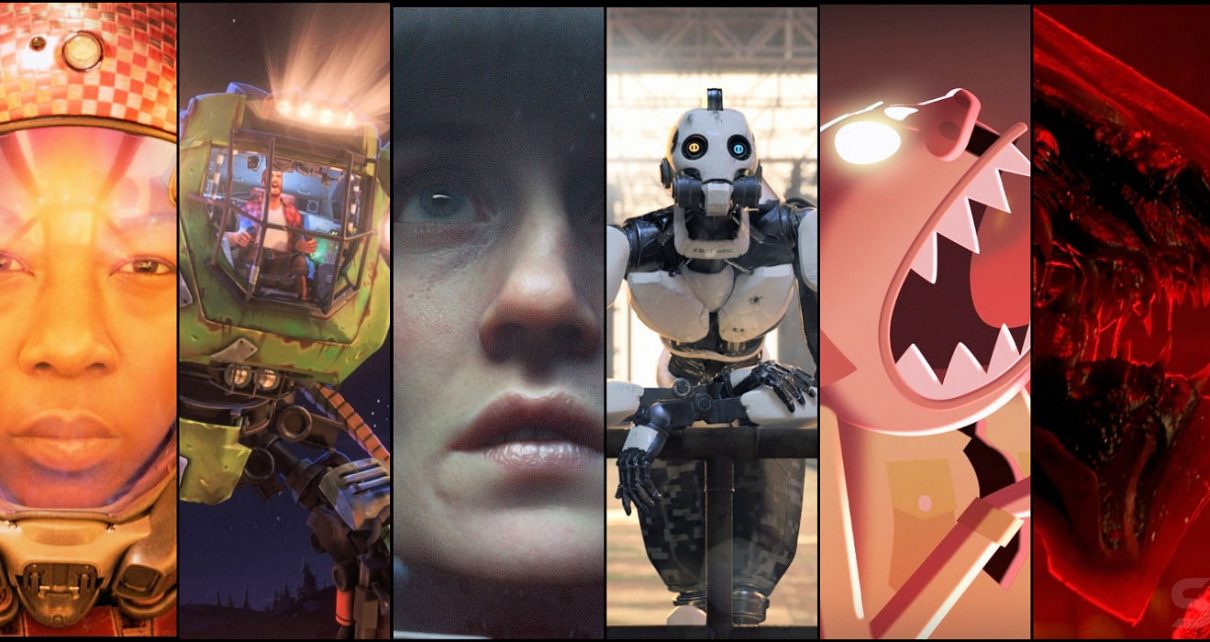
हे नमनालाच घडाभर तेल मी का ओततोय? काही वर्षांपूर्वी एक चित्रपटदिग्दर्शक माझ्याकडे आला होता. त्याला ओटिटी प्लॅटफॉर्म्सवर पिच करण्यासाठी कल्पना हव्या होत्या. मी त्याला सुचवले की, “चित्रपटसृष्टींमध्ये विज्ञानकथा हा प्रकार फारसा का हाताळला जात नाही माहितीये? कारण त्यांना कथा कळत नाही आणि विज्ञान तर त्याहून कळत नाही. त्यांची सगळी अक्कल विज्ञानाच्या नावाखाली उथळ पाण्याच्या बालिश खळखळाटात. मी तुला दहा परिपक्व विज्ञानकथा देतो. त्या कथा आपण सजीवीकरण अधिक प्रत्यक्ष चित्रण अशा मिश्रणातून मांडू. ही कल्पना जर चालून गेली तर हवी तितकी पर्वे करू शकतो आपण”. त्याने त्यावर नेहमीचेच उत्तर दिले, “लहान मुलांसाठीचे कार्टून्स ओटिटीवर कोण पाहील”? मी म्हणालो, “अरे बाबा, सगळ्या कथा प्रौढांसाठीच असतील”. पण त्याला काही ते पटलं नाही. अर्थातच तो प्रकल्प बारगळला. आणि काही दिवसांपूर्वी माझ्या दृष्टीस डेव्हिड फिंचर, टिम मिलर व जोशुआ डोनेन कार्यकारी निर्माता असलेली नेटफ्लिक्स मालिका “लव्ह डेथ + रोबॉट्स” पडली. अधाश्यासारखा पहिला सीझन खात असताना त्या तथाकथित दिग्दर्शक मिनिटाला मिनिटागणिक कचकचीत शिव्या घालताना जी काही मजा आली, त्याला तोड नाही.
लघुपटसंग्रह अथवा अँथॉलजीचा सगळ्यांत मोठा लाभ हा असतो की, प्रेक्षकांना ठराविक विषयावर खूप मोठ्या आवाक्यातील अभिव्यक्ती हाताळलेल्या पाहायला मिळतात. “लव्ह डेथ + रोबॉट्स” या शीर्षकातच मालिकेतील कथांचे विषय सहजपणे दिसतात. संग्रहातील प्रत्येक कथा या शीर्षकातील एक किंवा अनेक विषयांचा मागोवा घेतात. पण हा मागोवा त्या घेतात, विविध विज्ञानकथालेखकांच्या लेखणीच्या जोरावर. मालिकेतील बहुतांशी कथा या कोणत्या ना कोणत्या लघुविज्ञानिकेचे दृक्माध्यमासाठी केलेले अनुकूलन (अडॅप्टेशन) आहेत.
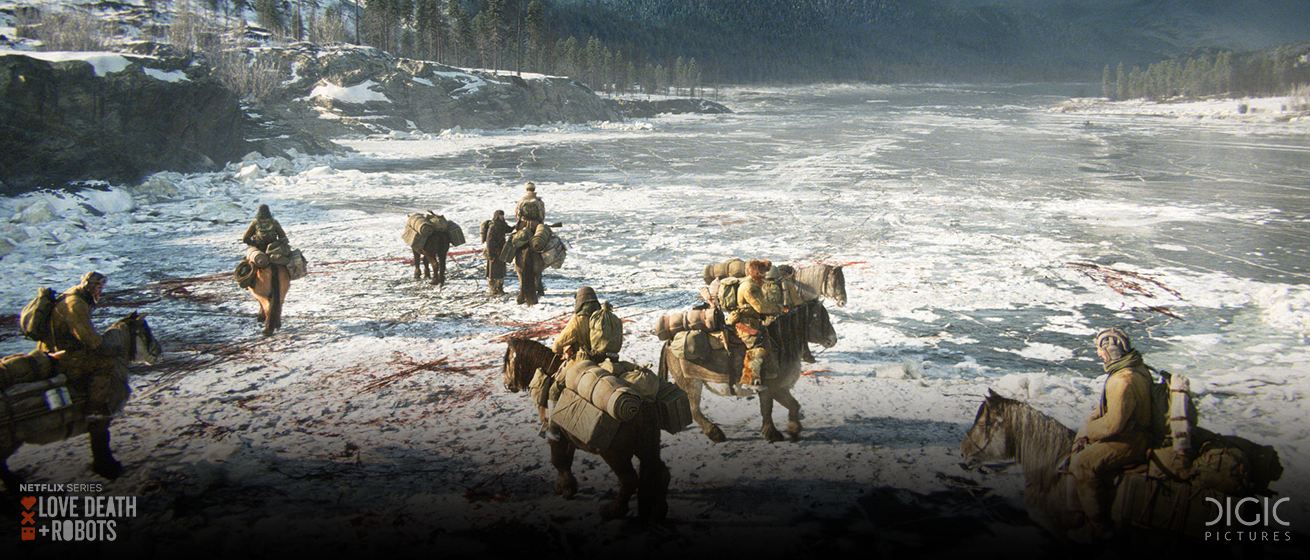
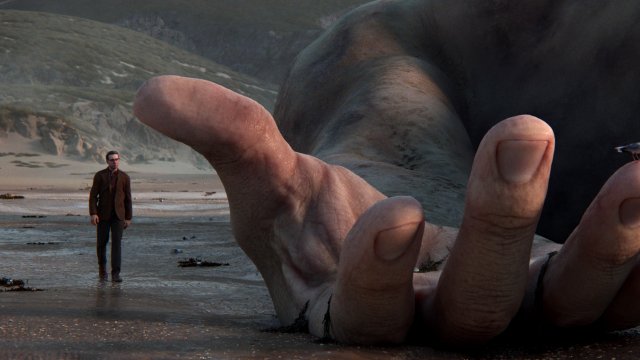
प्रलयोत्तर (पोस्ट-अपोकॅलिप्टिक) इंग्लंडमध्ये अवैध मारामारीत सहभाग घेणारी नायिका (सॉनी’ज् एज) ही धक्कातंत्राचे उत्तम उदाहरण आहे. प्रलयोत्तर जगात तीन यंत्रमानव फिरायला आलेयत (थ्री रोबॉट्स) ही कथा प्रलयोत्तर जगाचाच विषय हाताळते, पण त्यांचा दृष्टीकोन पूर्णतः वेगळा आहे. त्या कथेतून केवळ स्टेटस सिम्बॉल म्हणून विविध ऐतिहासिक स्थळे फिरणाऱ्या पण प्रत्यक्षात इतिहासाची फारशी जाण व आवड दोन्हीही नसणाऱ्या पर्यटकांवर उत्कृष्ट रूपक साधले आहे. त्या पुढील ‘द विटनेस’ ही कथन आणि तंत्र अशा दोन्हीही पातळ्यांवर या संग्रहातील माझ्या सर्वाधिक आवडत्या कथांपैकी एक. का, ते तुम्हीच बघून ठरवा. ‘सूट्स’ कथेतून आक्रमक आणि आक्रमित यांच्या वरवर दिसणाऱ्या भूमिकांवर कमालीचे तिरकस भाष्य केले आहे. ही कथा पाहिल्यावर तुम्हाला जाणवेल की, सध्यादेखील जगभरात व्हिक्टिमकार्ड खेळणाऱ्यांकडून हेच सुरू नाहीये का! ‘सकर ऑफ सोल्स’ अभिजात थराराचा अनुभव देते, तर ‘बियॉण्ड द अक़ीला रिफ्ट’ मायावादाकडे एका वेगळ्याच दृष्टीने पाहाते. ‘गुड हंटिंग’ ब्रिटिशांच्या वसाहतवादासोबतच औद्योगिक क्रांतिचा विषय चीनी पुराणशास्त्राच्या पार्श्वभूमीवर हाताळते, तर ‘द डम्प’ भयकथा आणि तत्त्वज्ञानाच्या सीमेवर गूढ नृत्य करते. विज्ञानकथेची एक उपशैली आहे, ‘मिलिट्री-सायफाय’. त्या शैलीत मोडणारी ‘शेप शिफ्टर्स’ ही कथा कल्पनाविलासाच्या आडून वर्णद्वेष आणि अमेरिकेतील दासप्रथा मांडू पाहाते, तर ‘द हेल्पिंग हँड’ अवकाशातील थराराचा रोमहर्षक पट उलगडते. मिलिट्री-सायफाय प्रकारचीच ‘लकी १३’ निष्ठा आणि श्रद्धेची एक आगळीच कहाणी सांगते. ‘आईस एज’ कथा सिद्ध करते की मनाची कवाडे जर उघडी असतील तर कल्पना करायला, ती कागदावर मांडायला आणि कागदावर मांडलेली कल्पना पडद्यावर चित्रित करायला कसलंच बंधन नसतं. युद्धाच्या काळात कम्युनिस्ट रशियाच्या सैन्याने केलेला एक प्रयोग केवढा अंगाशी येतो याचं काल्पनिक, तरीही भयकारी पण तितकंच ह्रदयस्पर्शी चित्रण ‘द सिक्रेट वॉर’मध्ये आढळते.
नुकतेच या मालिकेचे दुसरे पर्व प्रकाशित झाले. पहिल्या पर्वात असलेल्या १८ भागांच्या तुलनेत दुसरे ८ च भागांचे पर्व निम्म्याहून छोटे आहे. पण त्यातही ‘ऑटोमेटेड कस्टमर सर्व्हिस’ तंत्रज्ञानावर आणि बिगटेक कंपन्यांवर प्रमाणाबाहेर विसंबणाऱ्या समाजाचं भयाण वास्तव चित्रित करते. ही कथा काल्पनिक आहे, पण ती कल्पना सत्यात उतरायचा दिवस कदाचित कल्पनेहूनही जवळ असेल. पुराणकाळापासून माणसाने कायमच अमरत्त्वाचा ध्यास घेतलाय. पण ज्या अमरत्त्वाला उत्तर मानावं ते नीतिमत्तेचे केवढे मोठे प्रश्न उपस्थित करू शकते, याचा मागोवा ‘पॉप स्क्वाड’ घेते. कदाचित म्हणूनच पुराणांतरी अमरत्त्व मागणारे बहुतांशी राक्षस असावेत. अमरत्त्वाचीच दुसरी गहन बाजू सांगण्याचा प्रयत्न ‘स्नो इन द डेझर्ट’ मार्मिकपणे करते. ‘द टॉल ग्रास’ ही अतिशय नेटकेपणाने विणलेली पक्की भयकथा आहे. आणि भयकथेच्याच अंगाने जाणारी लहानशी ‘ऑल थ्रू द हाऊस’देखील तितकीच कमाल आहे. ‘लाईफ हच’ ही जीवनसंघर्षकथा (सर्व्हायवल स्टोरी) काळजाचे ठोके चुकवते. पण या दोन्हीही पर्वांमध्ये मिळून माझी सर्वाधिक आवडती कथा आहे ती, ‘द ड्राऊन्ड जायण्ट’. अतिशय काव्यात्म भाषेत उलगडणारी ही विज्ञानकथा घटनात्मक कमी आणि अंतर्मुख करायला लावणारीच जास्त आहे.
पण म्हणून दोन्हीही पर्वांमध्ये वाईट कथाच नाहीत असं नाही. ‘व्हेन द योगर्ट टुक ओव्हर’ ही कथा रूपक म्हणून अतिशय उत्तम आहे, पण लघुपट म्हणून तितकीशी भिडत नाही. त्या उलट ‘फिश नाईट’ अतिशय उत्तमरित्या मांडली आहे, पण अखेरीस एकूणात मुद्दा नसल्यासारखी वाटते. ‘ब्लाईंड स्पॉट’ कथा वाईट नाही, पण त्यात काही ‘वाह’ म्हणावं असं घडतही नाही. तिला मी चांगली, पण श्रेष्ठ नाही अशा वर्गात टाकेन. या उलट ‘अल्टरनेट हिस्ट्रीज’मध्ये क्षमता अचाट होती, पण त्याचा १% ही वापर त्यांनी केला नाही. त्यांचं सगळं लक्ष सतत काहीतरी विनोदी घडवण्यातच जास्त होतं. ‘झिमा ब्लू’ ही कथा एखाद्या अमूर्त चित्रशैलीसारखी आहे. तुम्ही तासनतास तिची स्तुती करू शकता, पण त्या स्तुतीसुमनांतील एकही मुद्दा सिद्ध करू शकत नाही. ती अतिशय प्रेडिक्टेबल तर आहेच, पण त्यांनी रहस्योद्घाटन खूप आधीच केल्यामुळे तिचा पडायचा तेवढाही प्रभाव पडत नाही. दुसऱ्या पर्वात मुळातच कमी कथा आहेत. त्यामुळे ‘आईस’ ही वाईट जरी नाही तरी त्यातल्या त्यात दुर्बळ असलेली कथा अधिकच वाईट प्रकारे उठून दिसते एवढंच. अर्थात, हे माझे मत झाले. तुमच्या दृष्टीने दोन्हीही पर्वांतील चांगल्या व वाईट कथा या पेक्षा वेगळ्या असू शकतात. मुद्दा फक्त एवढाच आहे की, संग्रह म्हटला म्हणजे दर्जात्मक एकजिनसीपणाचा बळी हा जातोच.
मालिकेचे मला सर्वाधिक भावलेले वैशिष्ट्य म्हणजे, वेगवेगळ्या कथांचे सजीवीकरण वेगवेगळ्या स्टुडियोजनी केले आहे. त्यामुळे क्वचित विषय सारखेच असले तरी प्रत्येक कथेचं व्यक्तिमत्त्व दुसरीहून स्वतंत्र दिसून येतं! काही कथांचं सजीवीकरण चित्रासारखं विस्मयचकित करणारं झालंय तर काहींचं पात्रे अगदी जिवंत वाटावीत इतकं खरंखुरं झालंय. सजीवीकरण म्हणजे पोरखेळ न मानता अभिव्यक्तीचं माध्यम मानलं तर ते कथाकथनात काय साध्य करून देऊ शकतं हे अनुभवायचं असेल, तर ही मालिका पाहिली’च’ पाहिजे. विशेषतः त्यातील काही कथा या सजीवीकरण अधिक चित्रपटीय कथनतंत्रे यांची इतकी अफाट सांगड घालतात की, त्यांचा एकत्रित परिणाम हा कमालीचा रोमहर्षक घडतो. तुम्ही जर सजीवीकरण म्हणजे चारदोन माहितीतील स्टुडियोज इतकाच मर्यादित विचार करत असाल, तर ही मालिका तुमची या विषयाकडे बघण्याची दृष्टीची बदलून सोडू शकते. सजीवीकरण हा मोठ्ठा परीघ पकडून या मालिकेने एखादे कलात्मक प्रदर्शन भरवावे तशा कथेगणिक विविध शैली समर्थपणे हाताळल्या आहेत. एका विशिष्ट मुद्यावर इथे टिप्पणी करणे मला अतिशय गरजेचे वाटते. आपल्याकडे जेव्हा सजीवीकरण करतात, तेव्हा त्या व्यक्तींची त्वचा अगदीच नितळ दाखवतात, त्यांच्या कपड्यांवरील सुरकुत्याही अगदीच आळशीपणाने रेखाटतात. उलट माझ्या दृष्टीने चांगले व खरेखुरे वाटणारे सजीवीकरण तेच ज्यात पात्रांची त्वचा ही तुमच्या-माझ्या त्वचेसारखीच सुरकुत्या, डाग, वांग, खड्डे यांचे चपखल मिश्रण असलेली, त्रुटीपूर्ण दिसते. ज्यात कपड्यांवर सुरकुत्या या यादृच्छिक नव्हे तर, हालचालींना अनुरूप अशाच पडतात. या दोन्हीही संग्रहांमध्ये जेव्हा जेव्हा सजीवीकरणाची शैली वास्तववादाकडे झुकलीये, तेव्हा तेव्हा त्यांनी या बारीकसारीक बाबीदेखील साध्य करून दाखवल्या आहेत!
मी वर एके ठिकाणी म्हटल्याप्रमाणे भारताबाहेर बहुतांशी ठिकाणी सजीवीकरणाला लहान मुलांपुरतंच मर्यादित मानत नाहीत. त्यामुळे दोन्हीही पर्वांतील कथा या प्रौढांसाठीच आहेत. त्यांच्यात कामुकता, रक्तपात, बीभत्सपणा, नीचपणा यांची रेलचेल आहे, इतकी की काही काही वेळा मालिका केवळ नेटफ्लिक्सची आहे म्हणून या गोष्टी घुसडल्या किंवा तशाच कथा निवडल्या की काय असे वाटून जाते. थोडक्यात, काहीतरी टोकाचं दाखवणं म्हणजेच वेगळा विचार करणं हा प्रकार इतरत्रही कमीअधिक प्रमाणात का होईना आहेच. किंबहूना तो इतरत्र आहे, त्याचीच नक्कल इकडचे अनेक तथाकथित ‘स्वतंत्र’ विचार करणारे करतात, हे उघड गुपित आहे. पण अर्थात, प्रौढांसाठी म्हटलं की ‘तेवढंच’ येत नाही. मालिकेतील बहुतांशी कथा या विचारप्रवर्तक आहेत, अंतर्मुख करून सोडणाऱ्या आहेत, लेकी बोले सुने लागे असे रूपक करणाऱ्या आहेत. ईशोपनिषदात अध्यात्म आणि विज्ञान यांच्यापैकी कशालाच कमी लेखलेले नाही, उलट दोन्हींनाही उचित महत्त्व दिलेलं आहे. विज्ञान म्हणजे तरी काय, तर भौतिक जगात सिद्ध करता येण्याजोगे तत्त्वज्ञानच असे मी मानतो. “लव्ह डेथ + रोबॉट्स”मधील बहुतांशी कथांच्या मुळाशी असेच विज्ञानाचे तत्त्वज्ञान आहे. त्यामुळेच त्या कथा आणि पर्यायाने दोन्हीही संग्रहच त्या त्या देशकालपरिस्थितीपुरते मर्यादित न राहाता वैश्विक होऊन जातात. आणि ज्याचे डोळे बाहेरूनच नव्हे तर आतूनही उघडे असतात, त्याला वैश्विकता ही भावतेच भावते!